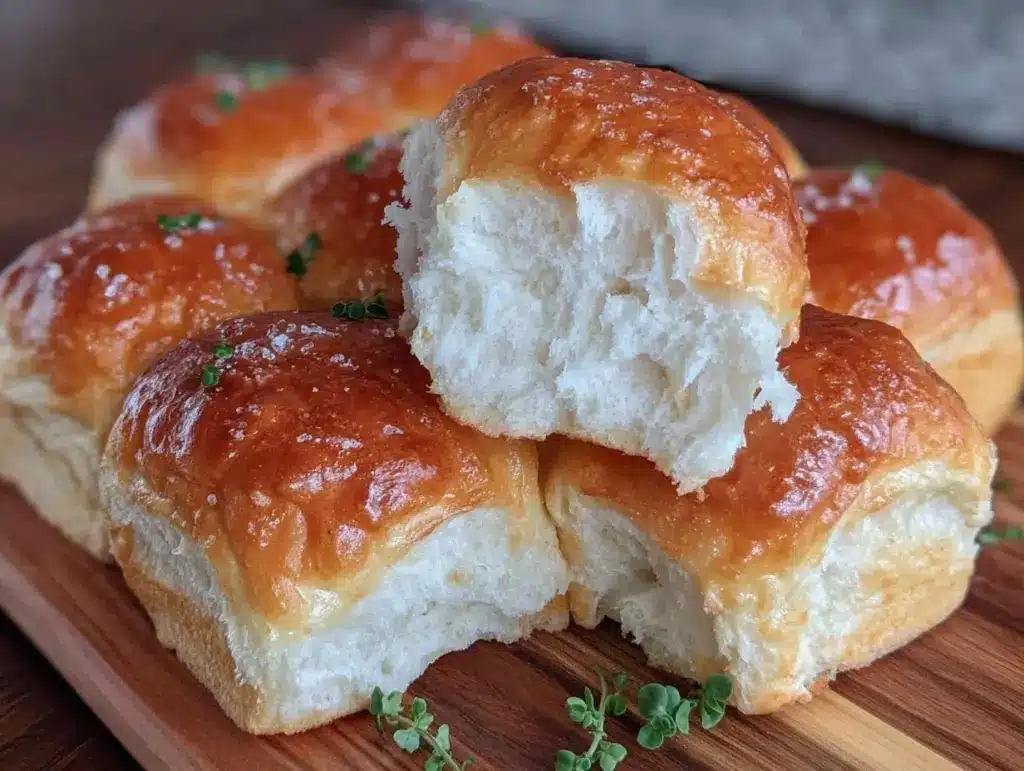
For a long time, I just accepted that soft, fluffy bread rolls weren’t really going to feel like a gentle cloud melting in your mouth—especially not the kind that somehow stays tender and light day after day. You know, bread that’s not just soft on the first morning but still has that pillowy texture when you toast it later. It’s almost like chasing a bread unicorn. Before I stumbled onto the art of making Hokkaido-style Japanese milk bread rolls, I kept trying recipes that promised softness but ended up dry or dense.
I remember one afternoon, the kitchen smelling faintly of warm milk and butter, and the dough was just right, silky and smooth under my fingers. The slow, patient rise was quiet, the little bubbles forming just so beneath the surface. I wasn’t looking for anything fancy—just a simple roll that felt comforting like a familiar sweater. It was never about impressing anyone, more like a small ritual to find the perfect everyday bread.
These rolls have a kind of understated magic: they don’t scream “look at me,” but they do invite you to pause and savor that soft crumb and subtle sweetness. They remind me of mornings when I’d sit quietly with a cup of tea, gently pulling apart a warm roll that’s still clinging to the faintest bit of steam. It’s a little moment of calm in a busy day.
Honestly, the recipe stuck with me because it’s forgiving yet precise, offering a chance to slow down and enjoy the process as much as the result. It’s not a flashy recipe, but one that quietly delivers that soft, tender texture I’d been missing. It’s the kind of bread that makes you want to bake again, not because you have to, but because you want to.
Why You’ll Love This Recipe
After testing and tweaking this Japanese milk bread rolls recipe, I can say it’s become a staple for so many reasons. This isn’t just another bread recipe that gets tossed aside after one try—it’s reliable, delicious, and honestly, a bit addictive.
- Quick & Easy: Once the dough is mixed, it comes together in about 3 hours total, including rising time—perfect for weekend baking or a slow afternoon project.
- Simple Ingredients: No fancy imports needed here. Pantry basics like bread flour, milk, and yeast are all you need.
- Perfect for All Occasions: These rolls work as a cozy breakfast side, a soft sandwich base, or a comforting snack with a bit of butter and jam.
- Crowd-Pleaser: Everyone I’ve shared these with—from picky kids to serious bread lovers—has asked for more.
- Unbelievably Delicious: Thanks to the unique use of a tangzhong (water roux), the texture is ultra-soft, lightly sweet, and stays fresh longer than typical bread.
This recipe stands apart because of that key tangzhong step, which is a little trick I learned from Japanese baking traditions. It’s basically a cooked mixture of flour and water that helps lock moisture in, making the rolls incredibly soft. Plus, the milk and butter add a rich, creamy note without being heavy.
It’s the kind of bread that feels like a hug from the inside. If you’ve ever tried to make soft rolls before and ended up with something tough or crumbly, this one is worth a shot. It’s comfort food, yes, but with a delicate, refined touch that feels special without any fuss.
What Ingredients You Will Need
This recipe uses simple, wholesome ingredients to deliver that signature soft texture and subtle sweetness without any fuss. Most of these are pantry staples, and if you want, there are easy swaps to fit your needs.
- Bread Flour (250g / 2 cups): Provides the right gluten structure for a tender yet elastic crumb. I usually go for King Arthur bread flour for consistent results.
- Milk (120ml / ½ cup): Whole milk is best for richness, but 2% works fine too. For dairy-free, almond or oat milk can be swapped.
- Unsalted Butter (30g / 2 tablespoons), softened: Adds creaminess and flavor without weighing down the dough.
- Sugar (50g / ¼ cup): Just enough to add a touch of sweetness, balancing the mild tang of the yeast.
- Salt (½ teaspoon): Enhances flavor without overpowering the subtle sweetness.
- Instant Yeast (5g / 1 teaspoon): Enables a reliable rise without needing to proof separately.
- Egg (1 large): Adds tenderness and color to the crust.
- Water (65ml / ¼ cup): Used for making the tangzhong (water roux), crucial for that fluffy texture.
- All-Purpose Flour (15g / 1 tablespoon): Also for the tangzhong – don’t skip this step!
If you’re curious, the tangzhong technique is what really sets this apart from other bread roll recipes. It’s a simple pre-cook step that locks in moisture and keeps the bread soft for days. You can swap the bread flour with all-purpose flour for a slightly softer texture, but bread flour gives that perfect chewiness.
For a dairy-free version, swap the milk with your favorite plant milk and use a vegan butter substitute. The rolls still turn out wonderfully soft.
Equipment Needed
Making these Japanese milk bread rolls doesn’t require anything fancy, but having the right tools makes the process smoother.
- Mixing Bowls: A large bowl for dough mixing and a smaller one for the tangzhong.
- Measuring Cups and Spoons: Precision is key, especially with flour and liquids.
- Whisk and Wooden Spoon: For mixing the tangzhong and initial dough stage.
- Stand Mixer with Dough Hook (optional): Makes kneading easier, but hand kneading works perfectly fine too.
- Plastic Wrap or Damp Cloth: To cover the dough during rising to prevent drying out.
- Baking Pan: A 9×5-inch loaf pan or a small baking tray if you want individual rolls.
- Oven Thermometer (optional): Handy to check accurate baking temperature, especially if your oven runs hot or cold.
I’ve found that kneading the dough by hand connects me more to the process, and it’s surprisingly relaxing. If you don’t have a stand mixer, just set aside 10-15 minutes for kneading. Also, using a silicone spatula for folding the dough during mixing helps keep it from sticking.
Preparation Method
- Make the Tangzhong (Water Roux): In a small saucepan, whisk together 65ml (¼ cup) water and 15g (1 tablespoon) all-purpose flour until smooth. Place over medium heat and stir constantly until the mixture thickens to a paste-like consistency (about 3 minutes). Remove from heat and let it cool to room temperature (about 30 minutes).
- Mix the Dough: In a large bowl or stand mixer, combine 250g (2 cups) bread flour, 50g (¼ cup) sugar, ½ teaspoon salt, and 5g (1 teaspoon) instant yeast. Add the cooled tangzhong, 120ml (½ cup) whole milk, 1 large egg, and 30g (2 tablespoons) softened unsalted butter. Stir until the dough comes together.
- Knead the Dough: Knead by hand on a lightly floured surface or with a stand mixer fitted with a dough hook for about 10 minutes until smooth, elastic, and slightly tacky. The dough should stretch without tearing easily—this is called the “windowpane test.” If it feels too sticky, sprinkle a little flour, but don’t overdo it.
- First Rise: Shape the dough into a ball and place it in a greased bowl. Cover with plastic wrap or a damp cloth. Let it rise in a warm spot for 1 to 1.5 hours, or until doubled in size. I like to place mine inside the oven with just the light on for a consistent warm environment.
- Shape the Rolls: Gently punch down the dough to release air. Divide it into 8 equal portions (about 60g/2 oz each). Roll each into a smooth ball by tucking edges under. Arrange the rolls side by side in a greased 9×5-inch loaf pan or spaced on a baking tray if you want individual rolls.
- Second Rise: Cover loosely with plastic wrap or a damp cloth again. Let the rolls rise for 45 minutes to 1 hour, until puffy and almost doubled.
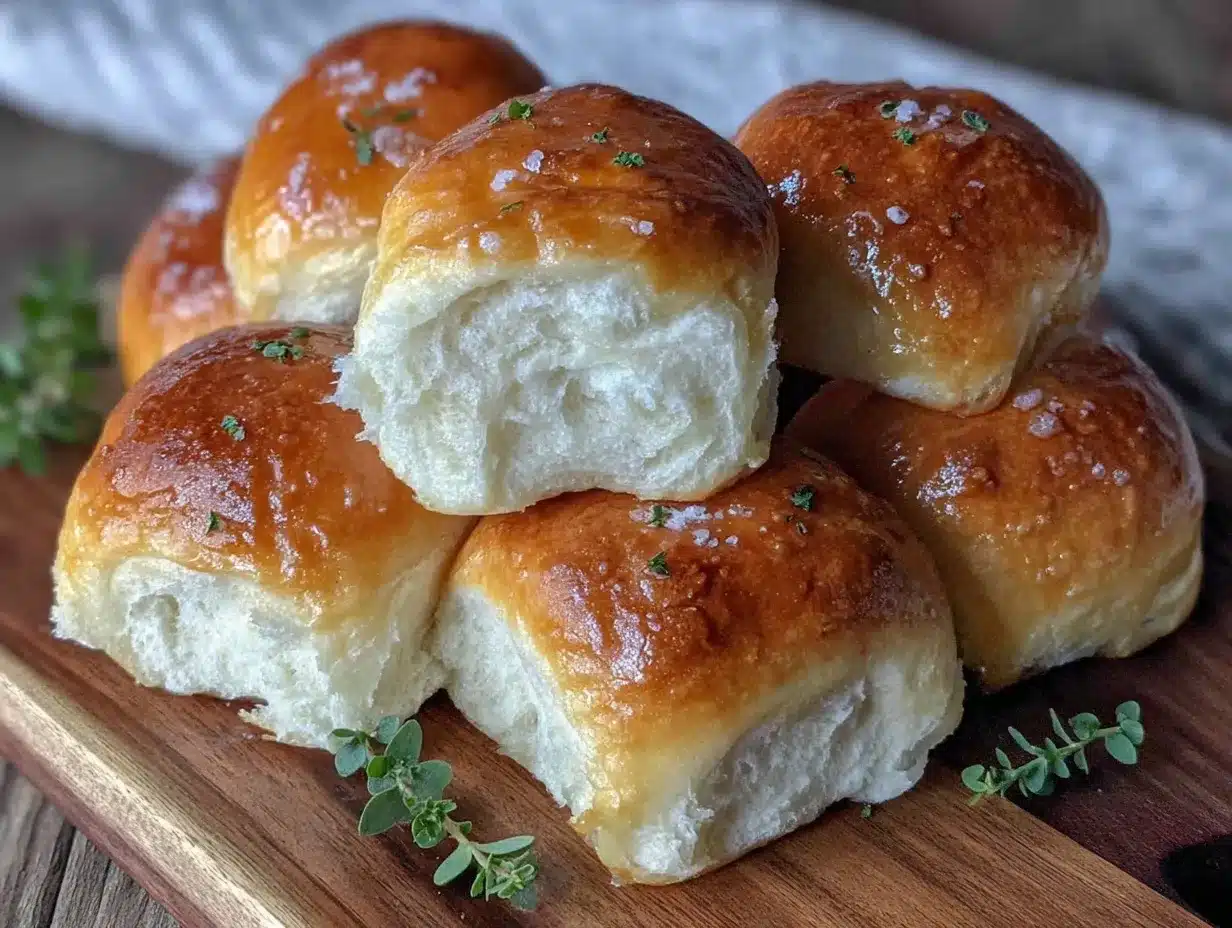
- Bake: Preheat your oven to 350°F (175°C). Brush the tops of the rolls with a little milk or beaten egg for a shiny crust. Bake for 20-25 minutes until golden brown and the rolls sound hollow when tapped.
- Cool: Remove from the oven and let the rolls cool slightly before removing from the pan. Best enjoyed warm but stay soft for days.
Here’s a little tip: if you want an even softer crust, cover the rolls with a damp cloth right after baking as they cool. It traps steam and keeps the crust tender. I learned that the hard way after my first batch came out a bit crusty for my liking.
Cooking Tips & Techniques
There’s a bit of art to getting these rolls just right, and here are a few lessons I picked up along the way.
- Don’t skip the tangzhong: It’s the secret weapon for softness and keeping the bread fresh longer. Trust me, it’s worth the extra step.
- Knead enough but not too much: The dough should be smooth and elastic, but over-kneading can make it tough. If the dough springs back when poked lightly, you’re good.
- Temperature matters: Yeast works best around 75-80°F (24-27°C). If your kitchen is cold, try proofing the dough inside the oven with the light on.
- Use softened butter: Adding cold butter can slow yeast activity and make the dough lumpy. Let it come to room temperature first.
- Handling sticky dough: It will feel tacky, but avoid adding too much flour. Use lightly floured hands and surfaces to manage stickiness gently.
- Cover the dough well: Prevent drying out during rises by covering tightly with plastic wrap or a damp kitchen towel.
- Egg wash or milk wash: Brushing the rolls before baking gives a beautiful shine and soft crust. I prefer milk for a subtle sheen and tenderness.
One time, I rushed the second rise and baked the rolls too soon. The texture was dense and chewy instead of light and airy. Patience really pays off here. Also, multitasking while the dough rises—like prepping a salad or making Italian pasta salad—makes the process feel less like waiting and more like a cozy kitchen rhythm.
Variations & Adaptations
Want to tweak these Japanese milk bread rolls? Here are some ways to make them your own:
- Whole Wheat Version: Substitute half the bread flour with whole wheat flour for a nuttier flavor and more fiber. You might need a little extra water to keep the dough soft.
- Sweet Fillings: Try stuffing the rolls with red bean paste or chocolate chips for a treat that’s still soft and fluffy inside.
- Herb and Cheese: Add finely chopped rosemary or thyme and sprinkle shredded cheese on top before baking for a savory twist.
- Dairy-Free: Use plant-based milk and vegan butter. The texture might be slightly different but still very enjoyable.
- Overnight Rise: For deeper flavor, let the dough rise slowly in the fridge overnight (first rise only). Bring back to room temp before shaping.
I once tried adding a teaspoon of matcha powder to the dough for a subtle green hue and earthy note—pretty and tasty! If you’re curious about other comforting recipes that pair beautifully with soft bread, the BBQ pulled pork sliders from the site come to mind—imagine those tender rolls holding juicy pork and crunchy slaw.
Serving & Storage Suggestions
These Japanese milk bread rolls are best served warm, fresh from the oven or lightly toasted with a pat of butter. They also make excellent sandwich bases, so you can get creative—try them with egg salad, ham and cheese, or even a simple spread of jam.
To store, place the cooled rolls in an airtight container or zip-top bag at room temperature for up to 3 days. If you want to keep them longer, freeze the rolls individually wrapped in plastic wrap, then stored in a freezer bag. Thaw at room temperature and warm in the oven or toaster for that fresh-baked feel.
Reheating in a low oven (about 300°F/150°C) wrapped in foil for 10 minutes helps retain softness. Microwaving can be quick but might dry them out if overdone.
Over time, the flavor deepens slightly, and the crumb feels even more tender the day after baking. That’s when they really hit their stride for me—soft, slightly sweet, and perfect alongside a cozy cup of tea or coffee.
Nutritional Information & Benefits
Each roll (about 60g) has roughly 150-180 calories, with moderate protein and carbohydrates. The use of bread flour provides a good gluten structure, while milk and butter add some calcium and fat for energy.
This recipe is naturally free from preservatives and artificial additives, making it a wholesome choice compared to store-bought rolls. Using whole milk and butter adds richness, but you can reduce fat content by swapping in low-fat milk or plant-based alternatives.
For those with gluten intolerance, this bread won’t be suitable, but you can experiment with gluten-free flours—though the texture will be different.
From a wellness perspective, these rolls offer a comforting, satisfying carb option that pairs well with balanced meals. I like to enjoy one alongside fresh salads or protein dishes like the cilantro lime grilled chicken tacos for a complete, flavorful meal.
Conclusion
Fluffy Japanese milk bread rolls have quietly become one of my favorite baking projects—the kind of recipe that feels approachable yet special. If you’re someone who appreciates soft bread that stays tender without complexity, this recipe is a solid choice. It’s flexible enough to let you play with flavors and textures while still delivering that signature cloud-like softness.
Don’t be afraid to make it your own—try different fillings, shape styles, or rising times to fit your kitchen rhythm. For me, these rolls bring a little calm and comfort to the day and remind me that simple things done well can be truly satisfying.
I’d love to hear how your batches turn out or any fun variations you try. Baking bread is a journey, and sharing those small victories makes it all the better.
Frequently Asked Questions
What is tangzhong and why is it used in this recipe?
Tangzhong is a cooked mixture of flour and water that helps retain moisture in the bread, resulting in an ultra-soft and fluffy texture that stays fresh longer.
Can I make these rolls without a stand mixer?
Absolutely. You can knead the dough by hand for about 10-15 minutes until smooth and elastic. It’s a bit more work but totally doable.
How do I store leftover Japanese milk bread rolls?
Store cooled rolls in an airtight container at room temperature for up to 3 days or freeze individually wrapped for longer storage. Reheat gently in the oven to keep them soft.
Can I use all-purpose flour instead of bread flour?
You can substitute all-purpose flour, but the rolls may be slightly less chewy and have a softer crumb. Bread flour helps develop better gluten structure.
Is there a way to make these rolls vegan?
Yes, swap dairy milk for plant-based milk and use vegan butter. Replace the egg with a flax egg or omit it—though the texture might be a bit different.
Pin This Recipe!

Fluffy Japanese Milk Bread Rolls

Soft, fluffy Hokkaido-style Japanese milk bread rolls with a tender, pillowy texture that stays fresh for days, made using the tangzhong method.
- Prep Time: 45 minutes
- Cook Time: 25 minutes
- Total Time: 3 hours 10 minutes
- Yield: 8 rolls 1x
- Category: Bread
- Cuisine: Japanese
Ingredients
- 250g (2 cups) bread flour
- 120ml (½ cup) whole milk
- 30g (2 tablespoons) unsalted butter, softened
- 50g (¼ cup) sugar
- ½ teaspoon salt
- 5g (1 teaspoon) instant yeast
- 1 large egg
- 65ml (¼ cup) water (for tangzhong)
- 15g (1 tablespoon) all-purpose flour (for tangzhong)
Instructions
- Make the Tangzhong (Water Roux): In a small saucepan, whisk together 65ml (¼ cup) water and 15g (1 tablespoon) all-purpose flour until smooth. Place over medium heat and stir constantly until the mixture thickens to a paste-like consistency (about 3 minutes). Remove from heat and let it cool to room temperature (about 30 minutes).
- Mix the Dough: In a large bowl or stand mixer, combine 250g (2 cups) bread flour, 50g (¼ cup) sugar, ½ teaspoon salt, and 5g (1 teaspoon) instant yeast. Add the cooled tangzhong, 120ml (½ cup) whole milk, 1 large egg, and 30g (2 tablespoons) softened unsalted butter. Stir until the dough comes together.
- Knead the Dough: Knead by hand on a lightly floured surface or with a stand mixer fitted with a dough hook for about 10 minutes until smooth, elastic, and slightly tacky. The dough should stretch without tearing easily (windowpane test). If too sticky, sprinkle a little flour but do not overdo it.
- First Rise: Shape the dough into a ball and place it in a greased bowl. Cover with plastic wrap or a damp cloth. Let it rise in a warm spot for 1 to 1.5 hours, or until doubled in size.
- Shape the Rolls: Gently punch down the dough to release air. Divide into 8 equal portions (about 60g/2 oz each). Roll each into a smooth ball by tucking edges under. Arrange rolls side by side in a greased 9×5-inch loaf pan or spaced on a baking tray.
- Second Rise: Cover loosely with plastic wrap or a damp cloth. Let the rolls rise for 45 minutes to 1 hour, until puffy and almost doubled.
- Bake: Preheat oven to 350°F (175°C). Brush tops with milk or beaten egg for a shiny crust. Bake for 20-25 minutes until golden brown and rolls sound hollow when tapped.
- Cool: Remove from oven and let rolls cool slightly before removing from pan. Best enjoyed warm but stay soft for days.
Notes
Do not skip the tangzhong step for softness and freshness. Knead until dough passes the windowpane test but avoid over-kneading. Use softened butter to avoid lumps. Cover dough well during rises to prevent drying. For softer crust, cover rolls with a damp cloth after baking while cooling.
Nutrition
- Serving Size: 1 roll (about 60g)
- Calories: 165
- Sugar: 5
- Sodium: 150
- Fat: 5
- Saturated Fat: 3
- Carbohydrates: 26
- Fiber: 1
- Protein: 4
Keywords: Japanese milk bread, Hokkaido bread, fluffy bread rolls, tangzhong bread, soft bread rolls, homemade bread, easy bread recipe