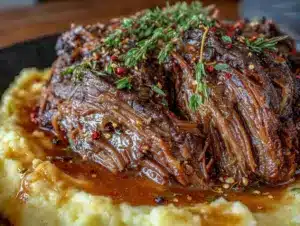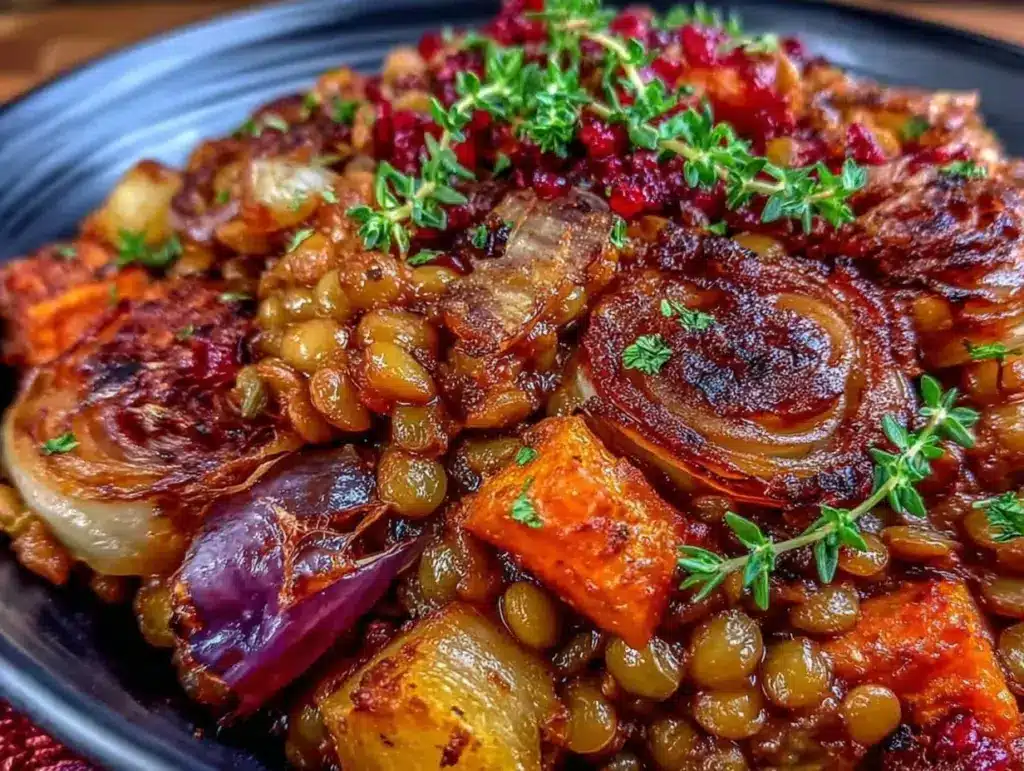
Let me tell you, the smell of simmering spices and hearty staples like beans, rice, and canned tomatoes bubbling away in my kitchen is enough to make anyone’s mouth water. The first time I attempted easy no grocery store week meals, it was one of those rainy weekends when the fridge was practically empty, and the grocery store felt a million miles away. I was instantly hooked by how satisfying and comforting pantry cooking could be—the kind of moment where you pause, take a deep breath, and just smile because you know you’re onto something truly special.
Years ago, when I was knee-high to a grasshopper, my grandma taught me the magic of throwing together simple ingredients from the pantry into a meal that felt like more than the sum of its parts. Since then, I’ve been perfecting these easy no grocery store week meals that rely on those trusty staples you forget you have—canned beans, pasta, rice, and a handful of spices. Honestly, I wish I’d discovered these recipes years ago; they turn “oh no, nothing’s fresh” into “wow, this is delicious” in no time.
My family couldn’t stop sneaking bites off the stove while I was cooking—(and I can’t really blame them!). These meals are dangerously easy and provide pure, nostalgic comfort without any last-minute grocery runs. Whether it’s a busy weeknight, a lazy Sunday, or you just want to brighten up your Pinterest dinner board, these pantry cooking recipes have got you covered. After testing them multiple times—in the name of research, of course—they’ve become staples for family gatherings, quick lunches, and even gifting in the form of homemade spice mixes. Trust me, this is the kind of cooking that feels like a warm hug, and you’re going to want to bookmark this one.
Why You’ll Love These Easy No Grocery Store Week Meals
Having whipped up these pantry cooking recipes more times than I can count, I’m confident they’ll become your go-to when the fridge is bare or the mood calls for comfort. Here’s why these no grocery store week meals stand out:
- Quick & Easy: Most recipes come together in under 30 minutes—perfect for those busy weeknights or when you’re craving something satisfying without the fuss.
- Simple Ingredients: No fancy grocery trips needed; you likely already have everything in your pantry, from canned beans to dried herbs.
- Great for Any Occasion: Whether it’s a casual family dinner, a cozy solo meal, or an impromptu potluck, these recipes fit right in.
- Crowd-Pleasers: These meals always get rave reviews from kids and adults alike—comfort food that doesn’t feel like a compromise.
- Unbelievably Delicious: The combination of textures and flavors is next-level, with just the right balance of seasoning and heartiness.
What makes these pantry cooking recipes truly different is the way they turn everyday staples into something special. For example, slow-cooked beans with a splash of vinegar lift the flavor to a new height, or toasting your spices before adding them releases a fragrant aroma that fills the kitchen. These aren’t just last-resort meals—they’re thoughtfully crafted dishes that make you close your eyes after the first bite. It’s comfort food reimagined: healthier, faster, but with the same soul-soothing satisfaction you crave.
What Ingredients You Will Need
This collection of easy no grocery store week meals uses simple, wholesome ingredients to deliver bold flavor and satisfying texture without the fuss. You’ll mostly find staples that sit patiently in your pantry, ready to shine when fresh ingredients are scarce.
- Dried or Canned Beans: Black beans, chickpeas, or kidney beans (canned for convenience or dried if you have time).
- Rice & Pasta: Long-grain rice, basmati, or any pasta shape you have on hand (whole wheat or gluten-free options work great).
- Canned Tomatoes: Diced, crushed, or sauce—these add acidity and brightness to many dishes.
- Broth or Stock: Chicken, vegetable, or beef broth cubes or liquid (adds depth without fresh stock).
- Onion & Garlic Powder: Pantry essentials that build savory bases even when fresh produce is low.
- Dried Herbs & Spices: Think oregano, thyme, cumin, smoked paprika, chili flakes, and bay leaves (toasted for extra aroma).
- Olive Oil or Vegetable Oil: For sautéing and flavor.
- Canned Coconut Milk or Evaporated Milk: Adds creaminess and richness to soups and stews.
- Peanut Butter or Tahini: Great for adding depth and body to sauces or dressings.
- Vinegars: Apple cider, white wine, or balsamic (a splash brightens flavors).
- Frozen or Shelf-Stable Vegetables: Corn, peas, or mixed veggies that keep well without refrigeration.
- Salt & Pepper: The basics that make all the difference.
For brands, I personally reach for Goya canned beans for their consistent quality and Mutti for canned tomatoes—both deliver great texture and flavor. If you’re aiming for gluten-free, swapping regular pasta with brown rice pasta works beautifully. And if you’re out of fresh onions, onion powder is a surprisingly powerful stand-in that I always keep stocked.
Equipment Needed
- Large Pot or Dutch Oven: Ideal for soups, stews, and one-pot meals. A heavy-bottomed pot helps prevent burning and cooks evenly.
- Medium Saucepan: For boiling rice or reheating smaller portions.
- Skillet or Sauté Pan: Great for toasting spices or quickly cooking vegetables.
- Colander: Useful for rinsing canned beans or pasta.
- Measuring Cups and Spoons: Precision is key, especially with spices and liquids.
- Wooden Spoon or Silicone Spatula: For stirring without scratching pans.
- Can Opener: Essential for pantry cooking!
If you don’t have a Dutch oven, a heavy-bottomed pot with a tight-fitting lid will do just fine. For budget-friendly options, basic stainless steel cookware works well and is easy to maintain. I recommend seasoning wooden spoons periodically to keep them in top shape—trust me, it makes a difference in longevity.
Preparation Method
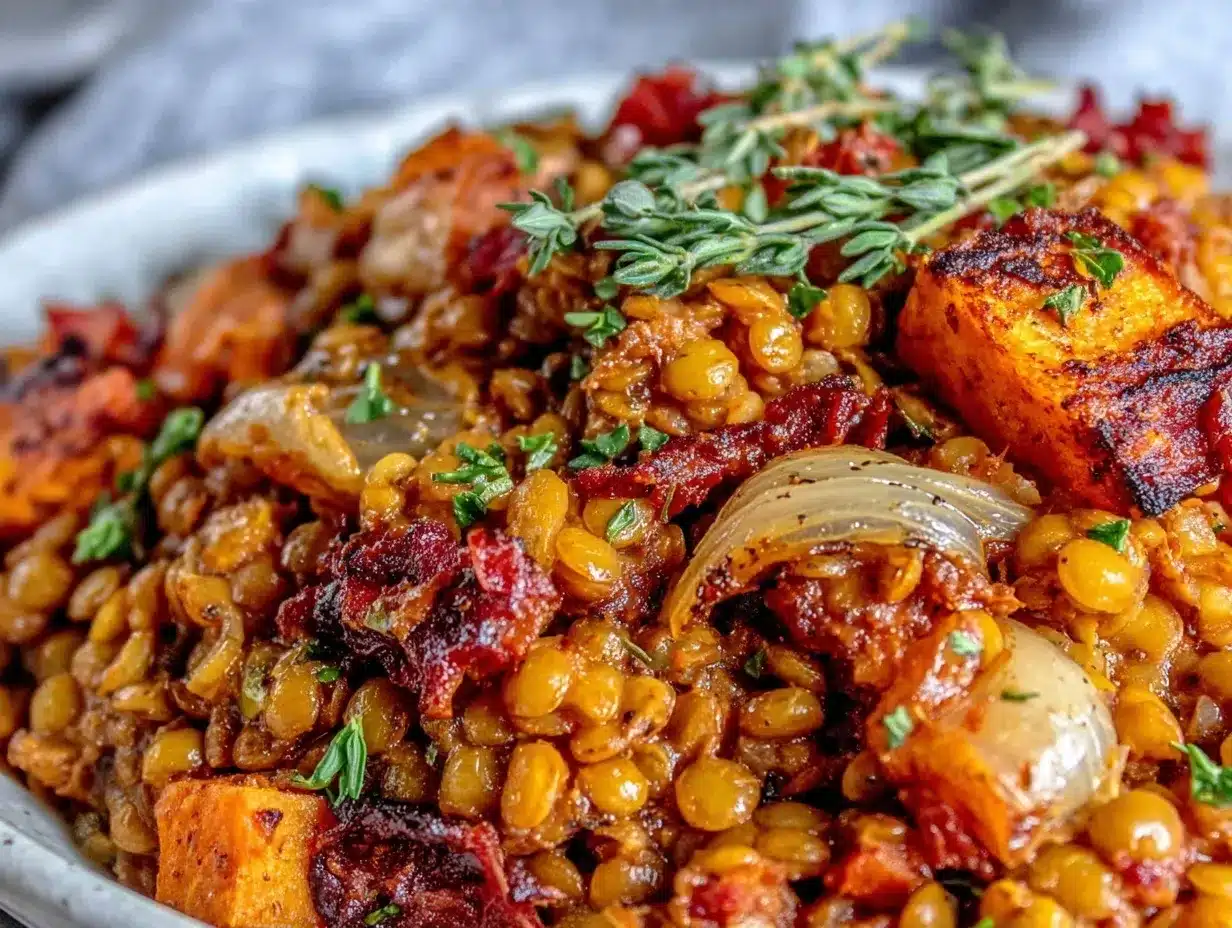
- Gather Your Ingredients and Equipment: Take stock of your pantry essentials and set out your pots and utensils. This step usually takes about 5 minutes.
- Prep Your Spices: Measure out dried herbs and spices according to recipe instructions. Toasting them in a dry pan over medium heat for 1-2 minutes releases their oils and amps up flavor—watch closely so they don’t burn.
- Sauté Aromatics: If using onion or garlic powder, sprinkle it into heated oil and stir for about 30 seconds to bloom the flavors. For fresh aromatics (if you have them), chop finely and cook until translucent, about 3-4 minutes.
- Add Liquids and Canned Goods: Pour in canned tomatoes, broth, or water. Stir to combine and bring to a gentle boil. This usually takes 5-7 minutes.
- Incorporate Beans and Grains: Add canned beans (rinsed) and rice or pasta. Stir well to combine. Cover and simmer on low heat—rice will take about 20-25 minutes, pasta about 10-12 minutes. Stir occasionally to prevent sticking.
- Season Thoughtfully: Adjust salt, pepper, and vinegar to taste near the end of cooking. A little acidity brightens the whole dish.
- Finish with Optional Add-Ins: Stir in peanut butter, coconut milk, or frozen vegetables if desired. Cook for another 3-5 minutes until heated through.
- Check for Doneness and Consistency: The rice or pasta should be tender, and the sauce thickened but not dry. If too thick, add a splash of broth or water; if too thin, simmer uncovered a few minutes.
- Serve Hot: Garnish with herbs if you have them, and enjoy immediately.
Pro tip: When cooking rice in a pot, avoid lifting the lid too often—it traps the steam and helps the rice cook evenly. If you notice the dish drying out, a quick splash of water or broth can save the day. Also, don’t rush the simmer; low and slow brings out the best flavors in pantry cooking.
Cooking Tips & Techniques
Pantry cooking might seem straightforward, but a few tricks make all the difference. First, toasting your dried spices before adding liquid really unlocks their aroma and flavor. I learned this the hard way after a few bland batches! Another tip: always rinse canned beans to wash away excess sodium and improve texture.
When cooking grains like rice or pasta, timing is everything. If you’re multitasking, set a timer to avoid overcooking, which can make meals mushy. For soups and stews, letting them rest off the heat for 5-10 minutes helps flavors meld and improves texture. I often stir in a splash of vinegar or a pinch of sugar at the end to balance acidity or round out sharp flavors.
One common mistake is overcrowding the pot when mixing ingredients; give them room to cook evenly. Also, don’t skimp on seasoning—pantry staples can taste flat without a proper hit of salt and spices. And honestly, trust your nose and taste buds. If it smells good and tastes balanced, you’re golden.
Variations & Adaptations
One of the best things about easy no grocery store week meals is how adaptable they are. Here are some ways to switch things up:
- Dietary Adjustments: Use gluten-free pasta or quinoa instead of rice for a gluten-free option. For vegan meals, swap broth for vegetable stock and skip any dairy add-ins.
- Seasonal Twists: In summer, toss in canned or frozen corn and swap dried herbs for fresh if you have them. In winter, add canned pumpkin or sweet potato puree for extra warmth.
- Flavor Boosters: Add a spoonful of harissa or chili paste for heat, or a splash of soy sauce for umami richness. I sometimes stir in a bit of peanut butter to make a creamy, nutty stew.
- Cooking Methods: Try making these meals in a slow cooker—just layer ingredients and cook on low for 6-8 hours. Or use an Instant Pot for a speedy, hands-off approach.
Personally, I love swapping black beans for chickpeas in these recipes—it changes the texture and adds a slightly nutty flavor. Don’t be afraid to experiment with whatever you have; pantry cooking is about creativity and comfort.
Serving & Storage Suggestions
Serve these pantry meals hot, straight from the pot, with a sprinkle of dried herbs or a drizzle of olive oil to add a fresh note. They pair beautifully with simple sides like toasted bread, a quick salad, or even a fried egg on top for extra protein and indulgence.
For storage, these meals keep well in airtight containers in the refrigerator for up to 4 days. Reheat gently on the stove or in the microwave, adding a splash of water or broth if the dish thickened too much. You can also freeze portions for up to 3 months—just thaw overnight in the fridge before reheating.
Flavors often deepen and develop after sitting for a day, so leftovers can taste even better! Just remember to taste and adjust seasoning before serving again.
Nutritional Information & Benefits
These easy no grocery store week meals are not only filling but also pack a nutritional punch. Beans provide plant-based protein and fiber, helping keep you full and satisfied. Whole grain rice or pasta adds complex carbohydrates for sustained energy. Canned tomatoes contribute antioxidants like lycopene, known for heart health benefits.
Most recipes are naturally low in fat and can be adapted to be gluten-free or vegan, making them inclusive for many diets. If you’re watching sodium intake, rinsing canned ingredients and using low-sodium broth options helps control salt levels.
From a wellness perspective, pantry cooking encourages mindful eating and resourcefulness—perfect for anyone looking to eat well without stress or waste.
Conclusion
These easy no grocery store week meals are proof that you don’t need a fully stocked fridge to make delicious, comforting food. With a handful of pantry staples and a little know-how, you can whip up satisfying dishes that feel anything but basic. I love how these recipes let me lean into creativity and flexibility, customizing flavors to my mood and pantry inventory.
Give these pantry cooking recipes a try and make them your own—add your favorite spices, swap ingredients, or toss in whatever you have on hand. I’d love to hear how you adapt them, so please leave a comment or share your versions! Let’s keep the no grocery store week meal magic alive, one cozy, easy dish at a time.
FAQs About Easy No Grocery Store Week Meals
What are good pantry staples to keep for no grocery store week meals?
Beans, rice, pasta, canned tomatoes, broth cubes, dried herbs, and spices are essentials that make creating meals simple and flavorful.
Can I make these recipes vegan or gluten-free?
Absolutely! Use vegetable broth instead of meat-based, swap pasta for gluten-free options, and avoid any dairy add-ins to keep it vegan.
How long do these pantry meals keep in the fridge?
Stored properly in airtight containers, they usually last 3-4 days refrigerated and can be frozen for up to 3 months.
Can I prepare these meals ahead of time?
Yes, these recipes are great for meal prep. Just reheat gently and adjust seasoning as needed before serving.
What’s the best way to boost flavor when cooking from pantry staples?
Toasting spices, adding a splash of vinegar, or stirring in peanut butter or coconut milk can really lift the flavor profile of pantry meals.
Pin This Recipe!
Easy No Grocery Store Week Meals: 5 Best Pantry Cooking Recipes
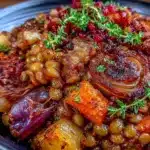
These easy no grocery store week meals use pantry staples like beans, rice, and canned tomatoes to create quick, comforting, and flavorful dishes perfect for busy days or when fresh ingredients are scarce.
- Prep Time: 10 minutes
- Cook Time: 25 minutes
- Total Time: 35 minutes
- Yield: 4 servings
- Category: Main Course
- Cuisine: Pantry / Comfort Food
Ingredients
- Dried or canned beans (black beans, chickpeas, kidney beans)
- Rice (long-grain, basmati) or pasta (whole wheat or gluten-free)
- Canned tomatoes (diced, crushed, or sauce)
- Broth or stock (chicken, vegetable, or beef broth cubes or liquid)
- Onion powder
- Garlic powder
- Dried herbs and spices (oregano, thyme, cumin, smoked paprika, chili flakes, bay leaves)
- Olive oil or vegetable oil
- Canned coconut milk or evaporated milk
- Peanut butter or tahini
- Vinegars (apple cider, white wine, or balsamic)
- Frozen or shelf-stable vegetables (corn, peas, mixed veggies)
- Salt and pepper
Instructions
- Gather your ingredients and equipment; this usually takes about 5 minutes.
- Measure out dried herbs and spices. Toast them in a dry pan over medium heat for 1-2 minutes, watching closely to avoid burning.
- Heat oil in a pan and sprinkle in onion and garlic powder; stir for about 30 seconds to bloom the flavors. If using fresh aromatics, cook until translucent, about 3-4 minutes.
- Add canned tomatoes, broth, or water. Stir to combine and bring to a gentle boil (5-7 minutes).
- Add rinsed canned beans and rice or pasta. Stir well, cover, and simmer on low heat (rice: 20-25 minutes, pasta: 10-12 minutes), stirring occasionally.
- Adjust salt, pepper, and vinegar to taste near the end of cooking.
- Stir in optional add-ins like peanut butter, coconut milk, or frozen vegetables and cook for another 3-5 minutes until heated through.
- Check for doneness; rice or pasta should be tender and sauce thickened but not dry. Add broth or water if too thick, or simmer uncovered if too thin.
- Serve hot, garnished with herbs if available.
Notes
Toast spices before adding liquids to enhance flavor. Rinse canned beans to reduce sodium and improve texture. Avoid lifting the lid frequently when cooking rice to trap steam. Adjust seasoning and add a splash of vinegar or peanut butter to brighten and deepen flavors. These meals keep well refrigerated for up to 4 days and freeze for up to 3 months.
Nutrition
- Serving Size: 1 serving (approxima
- Calories: 350
- Sugar: 5
- Sodium: 400
- Fat: 8
- Saturated Fat: 1.5
- Carbohydrates: 55
- Fiber: 10
- Protein: 15
Keywords: pantry meals, no grocery store meals, easy recipes, beans, rice, canned tomatoes, quick meals, comfort food, gluten-free, vegan options