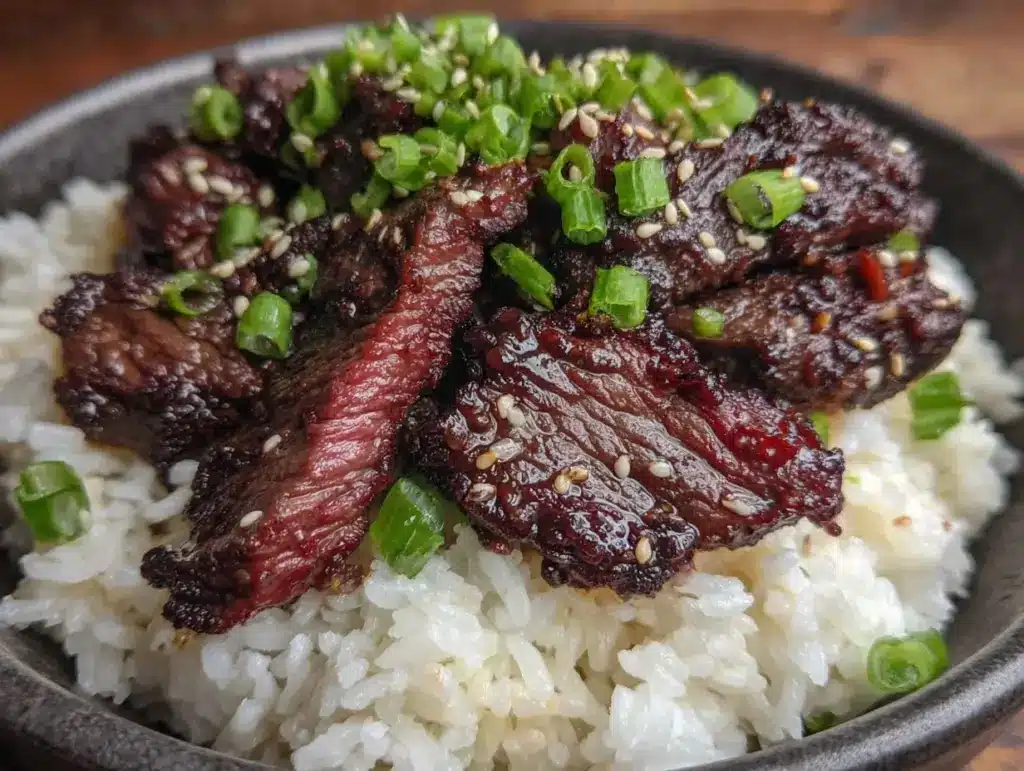
“You know that moment when your stomach’s rumbling, it’s already past dinner time, and the last thing you want is to slave away in the kitchen?” That was me last Thursday, juggling emails and late calls, when I realized I needed something quick, tasty, and satisfying—fast. Funny thing, I wasn’t even planning to make Korean food that night. But as I rummaged through my fridge, I stumbled upon a little jar of gochujang and a forgotten packet of ground beef. The sizzle when the beef hit the pan was like music to my ears, and honestly, I was hooked before the first bite.
It’s funny how some of the best recipes come from those almost accidental kitchen moments. This Korean beef bowl with rice wasn’t planned. I was actually aiming to make spaghetti. Yep, spaghetti! But the wrong sauce, the ticking clock, and a messy counter led me here. And let me tell you, it stuck around—became a staple, actually. Maybe you’ve been there, staring at your pantry wondering what on earth to whip up with random ingredients. This recipe is like a little culinary lifesaver, packed with bold flavors yet surprisingly easy to put together.
What I love most is that it’s not just a meal; it’s a quick trip to Seoul without leaving your kitchen. The combination of sweet, salty, and just a hint of heat makes it something I keep coming back to. Plus, it’s perfect for those nights when you want dinner on the table in under 30 minutes and zero fuss. Honestly, it’s become my go-to when I want something comforting but not heavy, something that feels special without any stress.
Why You’ll Love This Recipe
This Korean beef bowl recipe is a little gem I’ve tested more times than I can count, and it’s passed every “hangry” moment with flying colors. Here’s why it might just become your new favorite, too:
- Quick & Easy: Comes together in under 30 minutes—ideal for busy weeknights or those last-minute dinner emergencies.
- Simple Ingredients: No need for a specialty store run; most of these are pantry staples or easily found at your local grocery.
- Perfect for Dinner: Hearty and satisfying without being overwhelming, great for family meals or when you’re dining solo.
- Crowd-Pleaser: The mix of savory, sweet, and a touch of spice always gets compliments from kids and adults alike.
- Unbelievably Delicious: That tender, flavorful beef paired with fluffy rice hits all the right notes—comfort food done right.
What sets this Korean beef bowl apart is the balance of flavors. The soy sauce and brown sugar create a caramelized, almost sticky coating on the beef, while garlic and ginger add depth. And the secret? A splash of toasted sesame oil right at the end brings a nutty aroma that really pulls everything together. It’s not just another stir-fry—it’s the kind of dish that makes you pause, close your eyes, and savor each bite. If you want a dinner that feels a little special but won’t stress you out, this is it.
What Ingredients You Will Need
This recipe uses simple, wholesome ingredients to deliver bold flavor and satisfying texture without the fuss. Most are pantry staples, making it easy to throw together any night of the week.
- Ground beef (80/20 lean-to-fat ratio recommended for juiciness; about 1 pound / 450g)
- Cooked white rice (about 4 cups / 960ml, freshly steamed or leftover works great)
- Soy sauce (¼ cup / 60ml; I usually go for Kikkoman for that authentic flavor)
- Brown sugar (2 tablespoons / 25g; adds that perfect sweet balance)
- Garlic (3 cloves, minced; for that punch of savoriness)
- Fresh ginger (1 tablespoon, grated; brightens the dish up)
- Green onions (2 stalks, thinly sliced; for freshness and color)
- Red pepper flakes (½ teaspoon; optional, for a gentle heat kick)
- Sesame oil (1 teaspoon; adds nuttiness and aroma)
- Vegetable oil (1 tablespoon; for cooking)
- Sesame seeds (1 tablespoon; toasted, for garnish)
Substitution tips: If you want to swap ground beef, ground turkey or chicken works well too, though beef’s richness is tough to beat. For a gluten-free option, pick tamari instead of soy sauce. If you can’t find fresh ginger, a pinch of ground ginger will do, but fresh really wakes up the flavor. And if you’re keeping it vegan, try plant-based ground meat alternatives and skip the brown sugar for maple syrup.
Equipment Needed
- Large skillet or frying pan: This is where the magic happens. I prefer a heavy-bottomed skillet for even cooking and a nice sear on the beef.
- Rice cooker or pot: To prepare the fluffy rice. Leftover rice works fine too, just give it a quick steam or microwave zap.
- Measuring cups and spoons: For accuracy—especially with soy sauce and sugar to keep the balance perfect.
- Wooden spoon or spatula: To break up the beef and stir everything evenly.
- Grater or microplane: For fresh ginger—makes a big difference over pre-minced.
If you don’t have a skillet, a wok is a great alternative and can handle high heat well. No rice cooker? No worries—a pot with a tight lid works just fine. I’ve used budget-friendly non-stick pans for this recipe, and they get the job done, but a cast iron skillet adds a nice charred flavor if you have one. Keeping your tools clean and dry, especially the pan, helps avoid sticking and keeps the beef nice and tender.
Preparation Method
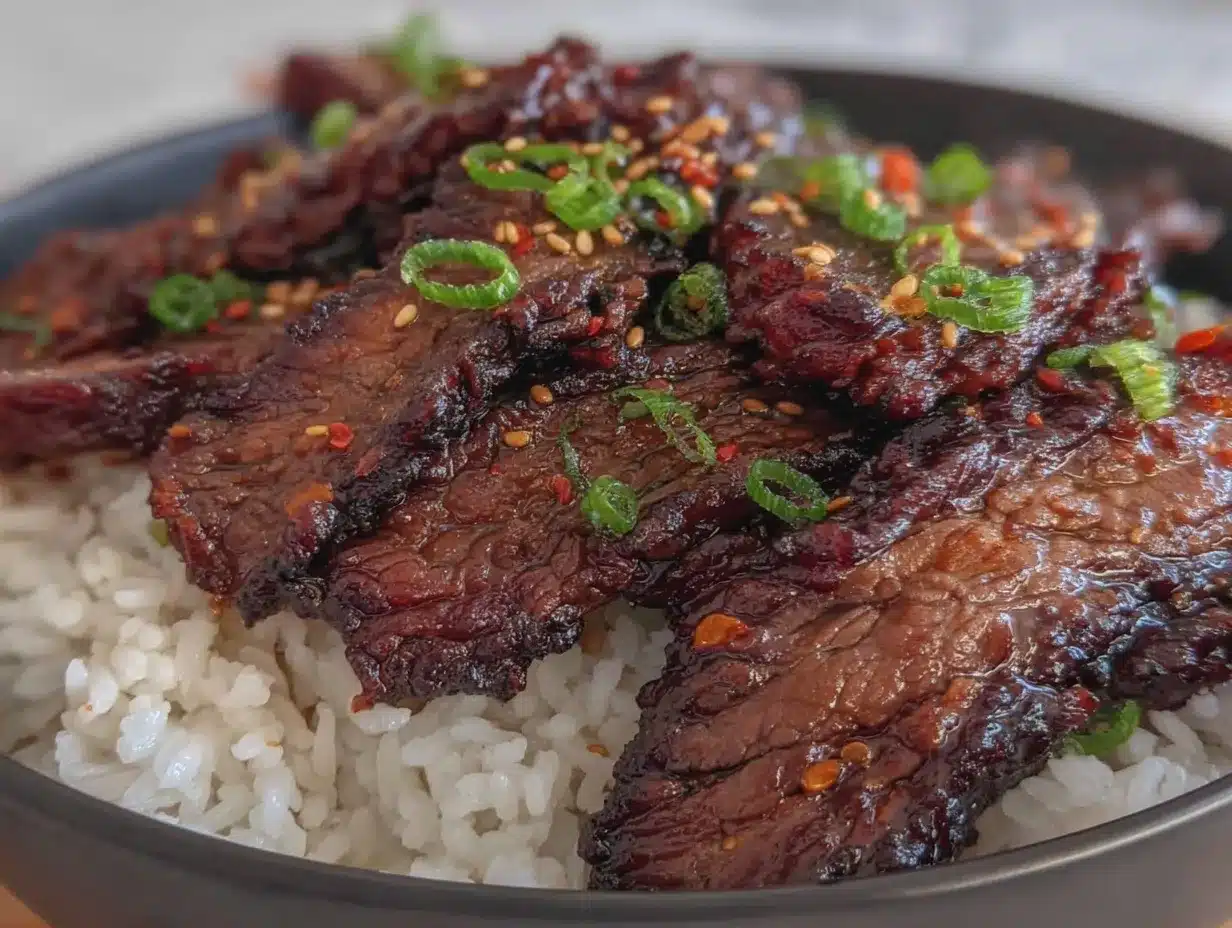
- Cook the rice: Start by preparing about 4 cups (960ml) of cooked white rice according to package instructions. If using leftover rice, warm it gently in the microwave or steam it until fluffy. Set aside and keep warm. (Time: 15-20 minutes)
- Prep aromatics: While the rice cooks, mince 3 garlic cloves and grate 1 tablespoon (15g) of fresh ginger. Slice 2 green onions thinly, separating the white and green parts. This layering adds depth. (Time: 5 minutes)
- Heat the pan: Warm 1 tablespoon (15ml) of vegetable oil in a large skillet over medium-high heat. You want it hot enough that the beef sizzles when it hits the pan.
- Brown the beef: Add 1 pound (450g) of ground beef to the skillet. Use your spatula or wooden spoon to break it apart. Cook for about 5-7 minutes until browned and no longer pink, stirring occasionally. Drain excess fat if necessary to avoid a greasy dish.
- Add aromatics: Stir in the minced garlic, grated ginger, and the white parts of the green onions. Cook for 1-2 minutes until fragrant. Be careful not to burn the garlic—it should smell sweet and inviting.
- Make the sauce: Pour in ¼ cup (60ml) soy sauce and 2 tablespoons (25g) brown sugar. Sprinkle in ½ teaspoon red pepper flakes if you like a mild kick. Stir well to coat the beef evenly. Let it simmer for 3-4 minutes until the sauce thickens slightly and caramelizes, stirring occasionally.
- Finish with sesame oil: Remove from heat and drizzle 1 teaspoon (5ml) toasted sesame oil over the beef mixture. Stir gently to combine. This final touch adds a nutty aroma that’s honestly a game-changer.
- Assemble the bowls: Spoon the warm rice into serving bowls, then top generously with the Korean beef mixture. Sprinkle with the green parts of the sliced green onions and 1 tablespoon (9g) toasted sesame seeds for crunch and color.
If you spot the sauce getting too thick or sticking, add a splash of water or broth to loosen it up. The beef should be tender, juicy, and coated in a glossy, sticky sauce. You’ll know it’s ready when the aroma fills your kitchen and you can’t wait to dig in.
Cooking Tips & Techniques
Cooking this Korean beef bowl is straightforward, but a few tips can take it from good to great.
- Don’t overcrowd the pan: When browning the beef, too much at once can cause steaming instead of searing. If needed, cook in batches for better caramelization.
- Use fresh aromatics: Fresh ginger and garlic make a big difference in flavor. I once tried pre-minced garlic for convenience, and it fell flat—fresh is worth the extra minute.
- Brown sugar balance: Too much sugar makes it cloying; too little, and the sauce lacks depth. Stick close to the recipe and adjust slightly based on your soy sauce’s saltiness.
- Timing matters: Add the sesame oil at the end, off the heat, to preserve its wonderful fragrance. Cooking it too long can make it bitter.
- Multitasking: Start the rice before you do anything else. While it cooks, you can prep and cook the beef—maximizing your time.
One time, I forgot to drain the fat, and the sauce was a bit greasy. Lesson learned: a quick drain keeps the dish light and lets those flavors shine. And if you like a bit of crunch, adding chopped water chestnuts or toasted nuts on top can add a fun texture twist.
Variations & Adaptations
This Korean beef bowl is a versatile canvas. Here are some ways to make it your own:
- Low-carb option: Swap the rice for cauliflower rice or shirataki rice to cut down on carbs but keep the flavor intact.
- Spicy upgrade: Add extra gochujang or a splash of sriracha to the sauce for a bolder heat profile. I sometimes mix half soy sauce, half gochujang for a richer sauce.
- Veggie boost: Stir in shredded carrots, diced bell peppers, or baby spinach right at the end for added color and nutrients.
- Plant-based: Use crumbled tofu or a plant-based ground meat substitute. Adjust cooking time accordingly, as tofu cooks faster.
- Sweet twist: Try swapping brown sugar for honey or maple syrup for a different kind of sweetness and a slightly stickier sauce.
Personally, I once added kimchi on top for an extra tangy crunch that balanced the rich beef perfectly. It’s a fun way to bring a bit more authenticity and texture to the bowl.
Serving & Storage Suggestions
This Korean beef bowl is best served hot, right after cooking, to enjoy the full aroma and tenderness. I like to serve it in deep bowls so the sauce mingles with the rice, making every bite flavorful.
For a simple presentation, garnish with extra sliced green onions and a sprinkle of toasted sesame seeds. Pair it with a crisp cucumber salad or steamed broccoli for a fresh contrast. A cold glass of iced green tea or a light lager complements the savory richness beautifully.
To store leftovers, transfer the beef and rice into separate airtight containers and refrigerate for up to 3 days. Keeping them separate prevents the rice from getting mushy. When reheating, microwave the beef with a splash of water to loosen the sauce, and cover to keep moisture in.
Freezing is possible but I recommend only freezing the beef mixture (up to 2 months). Thaw overnight in the fridge and reheat gently. Over time, the flavors meld nicely, making leftovers taste even better.
Nutritional Information & Benefits
One serving (about 1 bowl) roughly contains:
| Nutrient | Amount |
|---|---|
| Calories | 450-500 kcal |
| Protein | 28g |
| Carbohydrates | 45g |
| Fat | 18g |
| Fiber | 2-3g |
The ground beef provides a great source of protein and iron, essential for energy and muscle repair. Ginger and garlic aren’t just flavor powerhouses—they have anti-inflammatory and immune-boosting properties, which can be a bonus especially in chilly months. Using brown sugar instead of white gives a touch more minerals, and the sesame oil adds healthy fats.
For those watching gluten or carbs, switching to tamari and cauliflower rice makes this dish friendly for gluten-free or low-carb diets. Just watch out for soy allergies, and you can adapt with coconut aminos if needed.
Conclusion
Honestly, this Korean beef bowl with rice has become one of those recipes that feels like a hug on a plate—comforting, flavorful, and ready in a snap. It’s perfect for anyone who wants a satisfying meal without spending hours at the stove. Whether you stick to the classic or try one of the variations, it’s a versatile dish that’s easy to make your own.
Give it a try, tweak it to your tastes, and I bet it’ll find a regular spot in your dinner rotation. I’d love to hear how you make it yours—drop a comment or share your favorite add-ins! After all, the best recipes are the ones that evolve with your kitchen adventures.
Here’s to quick, delicious dinners that bring a little Korean flavor into our busy lives—one bowl at a time.
FAQs
Can I use ground turkey instead of ground beef?
Absolutely! Ground turkey works well and makes the dish leaner. Just be sure to use some oil when cooking to keep it moist.
Is this recipe spicy?
It’s mildly spicy with red pepper flakes, but you can skip them or add more gochujang if you want to crank up the heat.
Can I prepare the beef mixture ahead of time?
Yes, you can cook the beef mixture a day in advance and store it in the fridge. Reheat gently before serving.
What’s the best rice to use with this dish?
Steamed white rice or jasmine rice works best for its fluffy texture, but brown rice is also a great, healthier alternative.
Can I make this recipe gluten-free?
Yes, just swap regular soy sauce for tamari or coconut aminos to keep it gluten-free.
Pin This Recipe!
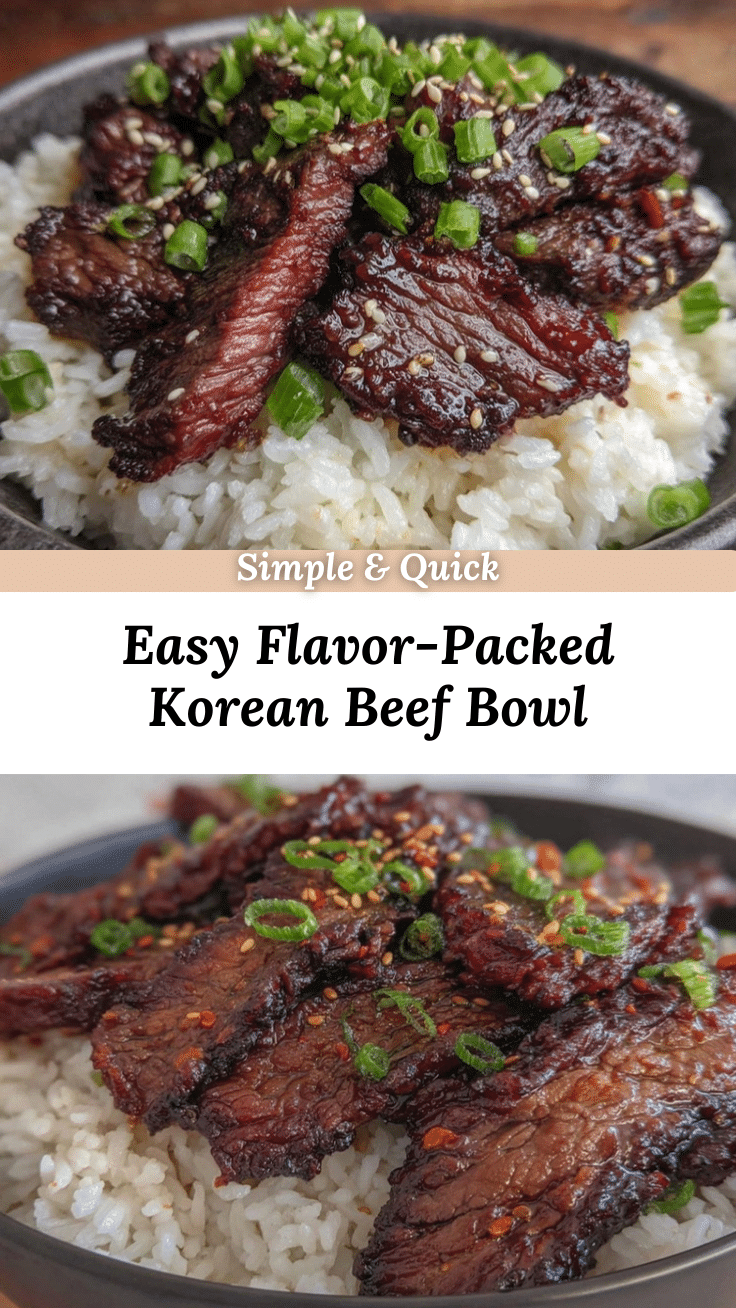
Korean Beef Bowl Recipe Easy 30-Minute Flavorful Dinner Idea
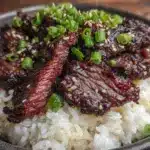
A quick and flavorful Korean beef bowl with rice, combining sweet, salty, and a hint of heat for a comforting and satisfying meal ready in under 30 minutes.
- Prep Time: 10 minutes
- Cook Time: 15-20 minutes
- Total Time: 25-30 minutes
- Yield: 4 servings 1x
- Category: Main Course
- Cuisine: Korean
Ingredients
- 1 pound (450g) ground beef (80/20 lean-to-fat ratio recommended)
- 4 cups (960ml) cooked white rice (freshly steamed or leftover)
- 1/4 cup (60ml) soy sauce
- 2 tablespoons (25g) brown sugar
- 3 cloves garlic, minced
- 1 tablespoon (15g) fresh ginger, grated
- 2 stalks green onions, thinly sliced (separate white and green parts)
- 1/2 teaspoon red pepper flakes (optional)
- 1 teaspoon (5ml) sesame oil
- 1 tablespoon (15ml) vegetable oil
- 1 tablespoon (9g) toasted sesame seeds
Instructions
- Cook the rice: Prepare about 4 cups (960ml) of cooked white rice according to package instructions. If using leftover rice, warm it gently in the microwave or steam it until fluffy. Set aside and keep warm.
- Prep aromatics: While the rice cooks, mince 3 garlic cloves and grate 1 tablespoon (15g) of fresh ginger. Slice 2 green onions thinly, separating the white and green parts.
- Heat the pan: Warm 1 tablespoon (15ml) of vegetable oil in a large skillet over medium-high heat until hot enough that the beef sizzles when added.
- Brown the beef: Add 1 pound (450g) of ground beef to the skillet. Break it apart with a spatula or wooden spoon. Cook for 5-7 minutes until browned and no longer pink, stirring occasionally. Drain excess fat if necessary.
- Add aromatics: Stir in the minced garlic, grated ginger, and the white parts of the green onions. Cook for 1-2 minutes until fragrant, being careful not to burn the garlic.
- Make the sauce: Pour in 1/4 cup (60ml) soy sauce and 2 tablespoons (25g) brown sugar. Sprinkle in 1/2 teaspoon red pepper flakes if desired. Stir well to coat the beef evenly. Simmer for 3-4 minutes until the sauce thickens slightly and caramelizes, stirring occasionally.
- Finish with sesame oil: Remove from heat and drizzle 1 teaspoon (5ml) toasted sesame oil over the beef mixture. Stir gently to combine.
- Assemble the bowls: Spoon warm rice into serving bowls, top generously with the Korean beef mixture, then sprinkle with the green parts of the sliced green onions and 1 tablespoon (9g) toasted sesame seeds.
Notes
Do not overcrowd the pan when browning beef to ensure proper searing. Use fresh garlic and ginger for best flavor. Drain excess fat to avoid greasiness. Add sesame oil off the heat to preserve aroma. Leftover rice can be used and warmed before serving. Variations include using ground turkey, plant-based meat, or swapping rice for cauliflower rice for low-carb options.
Nutrition
- Serving Size: 1 bowl
- Calories: 475
- Sugar: 10
- Sodium: 900
- Fat: 18
- Saturated Fat: 7
- Carbohydrates: 45
- Fiber: 2.5
- Protein: 28
Keywords: Korean beef bowl, quick dinner, easy recipe, ground beef, Korean food, weeknight meal, savory, sweet, spicy