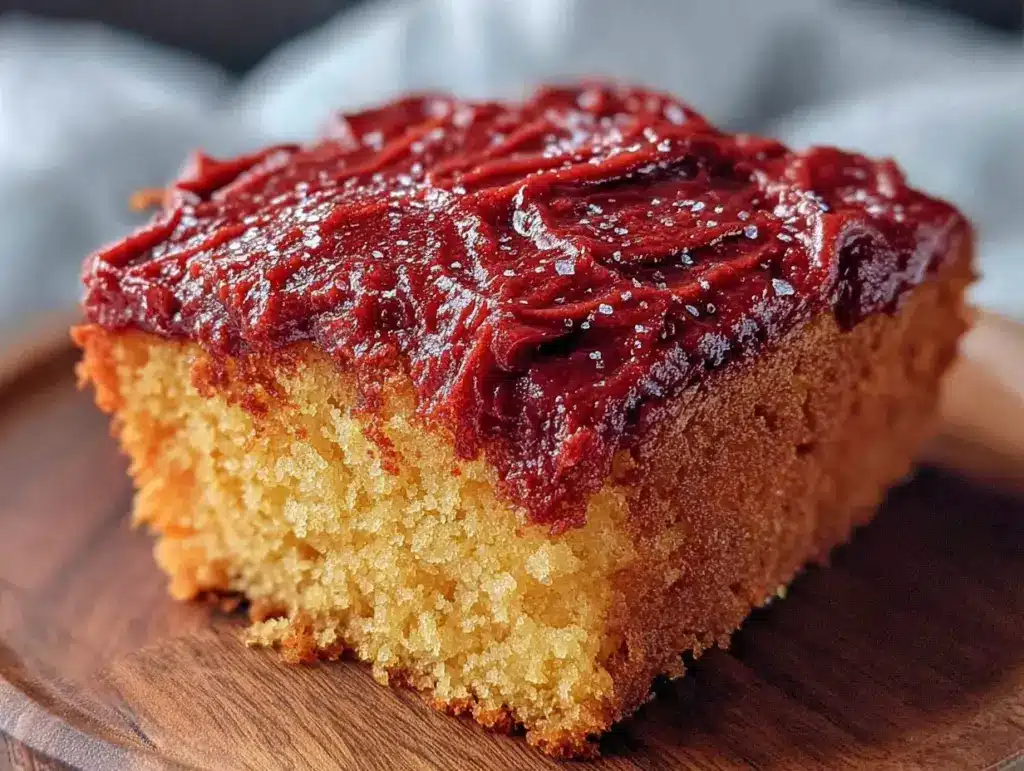
“I never thought a simple sheet cake could steal the spotlight at a party,” my neighbor Linda confessed last summer as we stood by her kitchen counter, a mess of colorful frosting tubes scattered around. The story behind this perfect sheet cake with school colors frosting began unexpectedly one Saturday afternoon when Linda’s son’s team was hosting a celebration, and the usual cupcakes just wouldn’t cut it. She wasn’t a baker by trade—heck, she once burned toast—but somehow, this cake came together like magic, turning heads and winning hearts.
You know that feeling when you see a cake that looks like it belongs in a bakery window, but it’s actually something you can whip up with everyday ingredients? That’s exactly what this sheet cake delivers. Honestly, I was skeptical at first, especially when she told me she’d mixed up the frosting colors by accident (blue ended up a bit too green), yet it only added to the charm. The best part? It’s not just about the looks; the cake itself is moist, tender, and perfectly balanced—not too sweet, not too dense.
Maybe you’ve been there, hunting for a last-minute dessert that’s easy but still impressive, or wanting to celebrate school spirit without the fuss of complicated recipes. This perfect sheet cake with school colors frosting became a staple in Linda’s household, popping up at birthday parties, game days, and even casual family dinners. I kept thinking about it, so I asked her to share the recipe, and, well, here it is—ready for your next celebration.
Why You’ll Love This Recipe
This recipe isn’t just about making a cake; it’s about making memories with something that’s straightforward, fun, and reliably delicious. I’ve tested it myself plenty of times, tweaking the frosting consistency and cake crumb until it felt just right. Here’s why it might become your go-to too:
- Quick & Easy: Comes together in under an hour, perfect for those last-minute party plans or spontaneous celebrations.
- Simple Ingredients: You won’t need any fancy or hard-to-find items—most are pantry staples you probably already have.
- Perfect for Celebrations: Whether it’s a school spirit event, birthday, or casual get-together, the colorful frosting adds a festive touch that’s sure to impress.
- Crowd-Pleaser: Kids and adults alike rave about the texture and flavor. The cake is moist without being heavy, and the frosting adds just the right creamy sweetness.
- Unbelievably Delicious: The balance of flavors and that smooth frosting combo make every bite a little celebration on its own.
What sets this sheet cake apart is the frosting technique that lets you customize the school colors without stress. I mean, mixing frosting colors can feel intimidating, but the way this recipe guides you makes it approachable—even for beginners. Plus, the cake itself holds up beautifully under the frosting, so you don’t end up with a soggy mess. It’s the kind of recipe that has you closing your eyes after the first bite and thinking, “Yeah, this is a keeper.”
What Ingredients You Will Need
This perfect sheet cake uses straightforward, wholesome ingredients that come together to create a moist, tender crumb and a frosting that’s both creamy and vibrant. Most of these are things you probably have hiding in your pantry or fridge already.
- For the Cake:
- All-purpose flour, 2 ½ cups (300 g) – I prefer King Arthur for consistent results.
- Granulated sugar, 2 cups (400 g)
- Baking powder, 2 ½ teaspoons – acts as the leavening agent to give the cake a nice rise.
- Baking soda, ½ teaspoon – helps balance acidity and adds tenderness.
- Salt, ½ teaspoon
- Unsalted butter, ¾ cup (170 g), softened – adds richness and moisture.
- Buttermilk, 1 cup (240 ml), room temperature – if you don’t have buttermilk, mix 1 cup milk with 1 tablespoon lemon juice and let sit 5 minutes.
- Large eggs, 3, room temperature – for structure and moisture.
- Vanilla extract, 2 teaspoons – enhances flavor.
- For the School Colors Frosting:
- Unsalted butter, 1 cup (225 g), softened – gives that creamy base.
- Powdered sugar, 4 cups (480 g), sifted – for smooth texture.
- Heavy cream or whole milk, 2-4 tablespoons (30-60 ml) – adjust for consistency.
- Vanilla extract, 1 teaspoon
- Gel food coloring, in your school colors – gel gives vibrant hues without thinning the frosting.
For substitutions, you can swap the all-purpose flour with a gluten-free blend (make sure it contains xanthan gum). If dairy is a concern, try plant-based butter and coconut or almond milk in place of buttermilk and cream—just note the flavor and texture will shift slightly. When picking your butter, unsalted is best to control the salt level, but if all you have is salted, just reduce added salt in the cake.
Equipment Needed
- 9×13 inch (23×33 cm) baking pan – this standard size works perfectly for sheet cakes.
- Mixing bowls – at least two, one for cake batter and one for frosting.
- Electric mixer or stand mixer – helps get the frosting silky smooth and the batter well combined; hand mixers work fine too.
- Measuring cups and spoons – accuracy’s important here to keep the cake balanced.
- Rubber spatula – for scraping down the sides while mixing.
- Wire rack – to cool the cake evenly and avoid sogginess.
- Offset spatula or butter knife – makes frosting the cake easier and gives a neat finish.
If you don’t have a 9×13 pan, an 11×7 inch pan will work but bake time may vary slightly. When it comes to mixers, I’ve tried hand whisking this cake before—let’s just say it’s doable but a workout! An electric mixer saves time and gives a more consistent crumb. Keep your spatula handy for those last bits of batter stuck in the bowl; wasting batter is a crime when you’re hungry.
Preparation Method
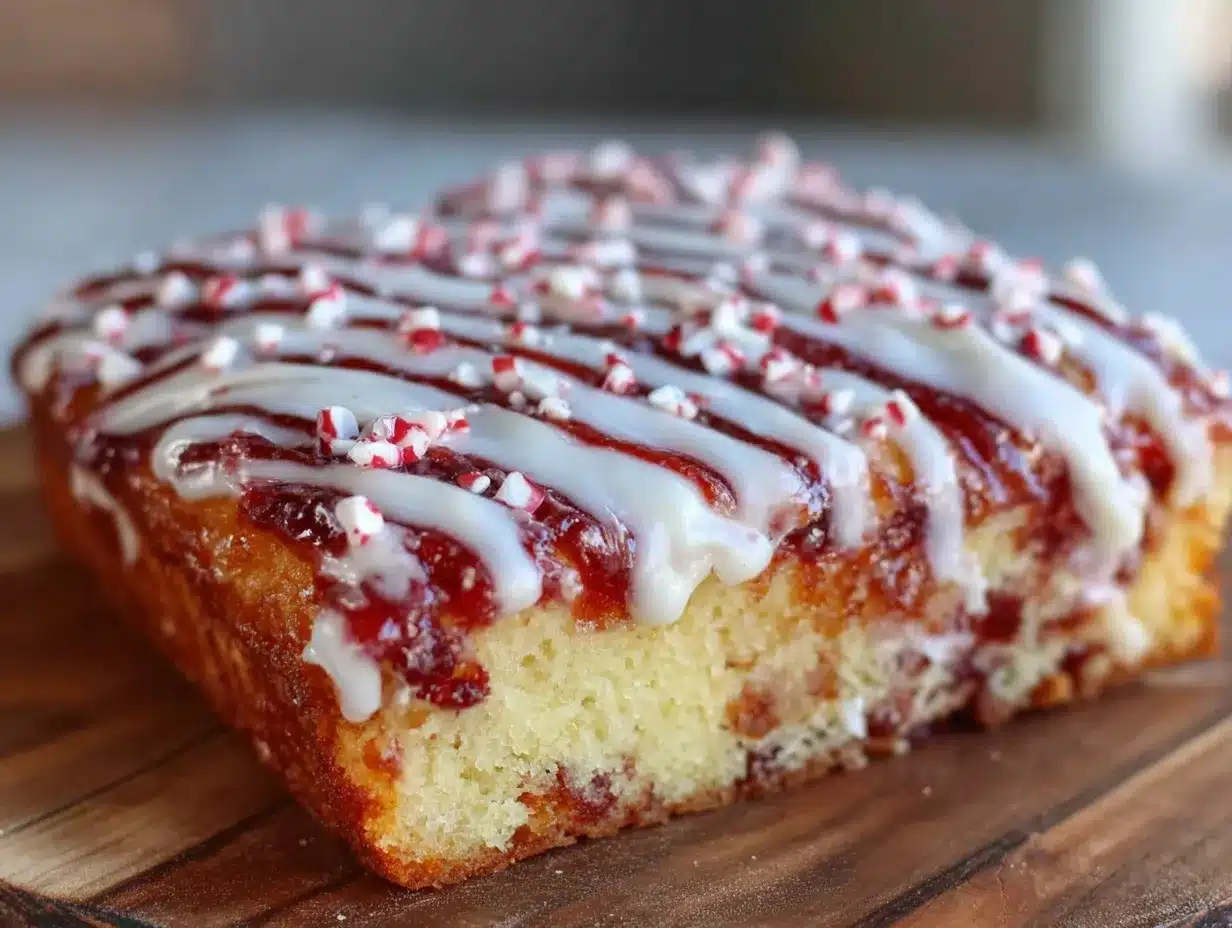
- Preheat your oven to 350°F (175°C). Lightly grease your 9×13 inch baking pan and line it with parchment paper for an easy release.
- Mix dry ingredients: In a medium bowl, sift together the flour, baking powder, baking soda, and salt. Set aside.
- Cream the butter and sugar: In a large bowl, use your mixer to beat the softened butter and granulated sugar until light and fluffy, about 3-4 minutes. This step traps air, helping the cake rise nicely.
- Add eggs one at a time: Beat in each egg separately, ensuring it’s fully incorporated before adding the next. Then mix in the vanilla extract.
- Alternate adding dry ingredients and buttermilk: Add the flour mixture in three parts, alternating with the buttermilk in two parts. Start and end with the flour mixture. Mix on low speed just until combined; overmixing can toughen the cake.
- Pour batter into the prepared pan: Scrape down the sides and smooth the top with a spatula. This helps with even baking.
- Bake: Place in the oven and bake for 35-40 minutes. Check doneness by inserting a toothpick in the center—it should come out clean or with a few moist crumbs.
- Cool completely: Let the cake cool in the pan on a wire rack for 15 minutes, then remove from the pan and cool fully before frosting. Frosting a warm cake can cause melting or sliding.
- Prepare the frosting: Beat softened butter on medium speed until creamy, about 2 minutes. Gradually add powdered sugar, mixing well after each addition. Add vanilla and 2 tablespoons heavy cream, and beat on high for 3 minutes until fluffy. Adjust cream to reach your desired spreadable consistency.
- Divide and color the frosting: Separate frosting into bowls and tint each with gel food coloring for your school colors. Mix thoroughly to get even hues. Use an offset spatula or piping bags for decorating.
- Frost the cooled cake: Spread the base layer with one color, then add stripes or designs with the others. Don’t worry about perfection; a little swirl or smudge adds character.
- Chill if desired: Refrigerate the cake for 30 minutes to firm up the frosting, especially if your kitchen is warm.
Watch out for overbaking—the cake can dry out quickly. If your oven runs hot, start checking at 30 minutes. I once got distracted mid-bake (hello, phone call) and ended up with a slightly crisp edge, but the inside stayed tender. Also, be patient letting the cake cool; rushing this step often leads to frosting mishaps.
Cooking Tips & Techniques
Let me share some tricks I’ve picked up along the way that make this cake really shine:
- Room temperature ingredients: Butter, eggs, and buttermilk should be at room temp to blend seamlessly and trap air for a light texture.
- Creaming butter and sugar: Don’t rush this step. Beat until pale and fluffy—this is key for a tender crumb.
- Don’t overmix: Once you add the flour, mix just until combined. Overworking gluten makes cakes tough.
- Use gel food coloring: It delivers vibrant colors without watering down your frosting, unlike liquid dyes.
- Frosting consistency: If your frosting feels stiff, add a teaspoon of cream at a time; if too soft, sprinkle in a bit more powdered sugar.
- Multitasking tip: While the cake bakes, prep your frosting ingredients to save time.
- Test your oven temperature: Ovens can be tricky. An inexpensive oven thermometer helps avoid over or under-baking.
I learned the hard way that skipping the cooling step before frosting leads to a sad, melting mess. Also, piping the frosting in stripes using small sandwich bags with a corner snipped works great if you don’t have fancy tools. Just remember, practice makes perfect, and even the imperfect cakes get devoured fast.
Variations & Adaptations
This recipe is pretty forgiving and easy to tweak for different needs or preferences. Here are a few ways you can make it your own:
- Flavor twists: Add 1 teaspoon of almond extract or orange zest to the batter for a subtle flavor boost.
- Chocolate version: Swap out ½ cup (60 g) of flour for cocoa powder and add a pinch of espresso powder to intensify chocolate notes.
- Dietary adaptations: Use gluten-free flour blend to make a gluten-free cake, or substitute dairy with plant-based alternatives (vegan butter and oat milk buttermilk mix).
- Frosting swaps: Use cream cheese frosting tinted with school colors for a tangier finish.
- Decor ideas: Try sprinkles or edible glitter in school colors for extra flair.
Personally, I tried making a layered version of this cake once, but the single sheet is just easier and equally impressive. For a lighter option, swapping half the butter for unsweetened applesauce works surprisingly well without sacrificing moisture.
Serving & Storage Suggestions
Serve this cake at room temperature to enjoy the frosting’s creamy texture and the cake’s tender crumb in full glory. You can slice it into neat squares or go rustic with casual wedges for a relaxed vibe.
Pair it with a cold glass of milk or a cup of coffee for a classic combo. For outdoor celebrations, a pitcher of lemonade or iced tea complements the sweetness nicely.
Store leftover cake covered tightly at room temperature for up to 2 days. For longer storage, refrigerate in an airtight container for up to 5 days or freeze individual slices wrapped in plastic and foil for up to 3 months.
When reheating refrigerated slices, let them come to room temperature or warm gently in a microwave for 15-20 seconds to soften the frosting without melting it.
Over time, the flavors meld and the cake becomes even more moist, so if you can resist, a day-old slice often tastes better than fresh!
Nutritional Information & Benefits
Estimated per serving (assuming 12 servings):
| Calories | Fat | Carbohydrates | Protein | Sugar |
|---|---|---|---|---|
| 350 kcal | 15 g | 50 g | 4 g | 35 g |
This cake provides energy from carbohydrates and fats, making it a satisfying treat during celebrations. The butter contributes vitamin A and healthy fats, while eggs add protein and essential nutrients.
Using buttermilk adds a slight tang and tenderness, plus it provides calcium. Choosing natural gel colors without artificial dyes supports a cleaner ingredient list.
If you’re mindful of sugar intake, you can reduce the powdered sugar in the frosting slightly or try a cream cheese frosting for less sweetness. For gluten-sensitive folks, the gluten-free option makes this recipe accessible without compromising too much on texture.
Conclusion
This perfect sheet cake with school colors frosting is a recipe that truly delivers on both flavor and fun. It’s one of those cakes that’s easy enough to whip up on a busy day but special enough to make your celebration stand out. Whether you’re rallying for a team, marking a milestone, or just craving something sweet and colorful, this cake fits the bill.
Feel free to make it your own—tweak the colors, swap flavors, or add your favorite decorations. I love how this recipe brings people together and adds a little joyful cheer to any occasion. So, go ahead, give it a try, and don’t forget to share how you customize it—I’m excited to hear your stories!
FAQs
Can I make this sheet cake a day ahead?
Absolutely! Bake and frost the cake the day before, then store it covered at room temperature. This lets the flavors meld and makes serving easier on the big day.
What if I don’t have buttermilk?
No worries. You can make a quick substitute by mixing 1 cup of milk with 1 tablespoon of lemon juice or white vinegar. Let it sit for 5 minutes before using.
How do I get vibrant school colors in the frosting?
Use gel food coloring rather than liquid—it provides stronger colors without thinning your frosting.
Can I freeze the cake?
Yes, you can freeze unfrosted cake layers wrapped tightly for up to 3 months. Thaw completely before frosting and serving.
What if I want to make this cake dairy-free?
Swap butter for vegan margarine and use plant-based milk mixed with lemon juice in place of buttermilk. The texture will be slightly different but still tasty.
Pin This Recipe!
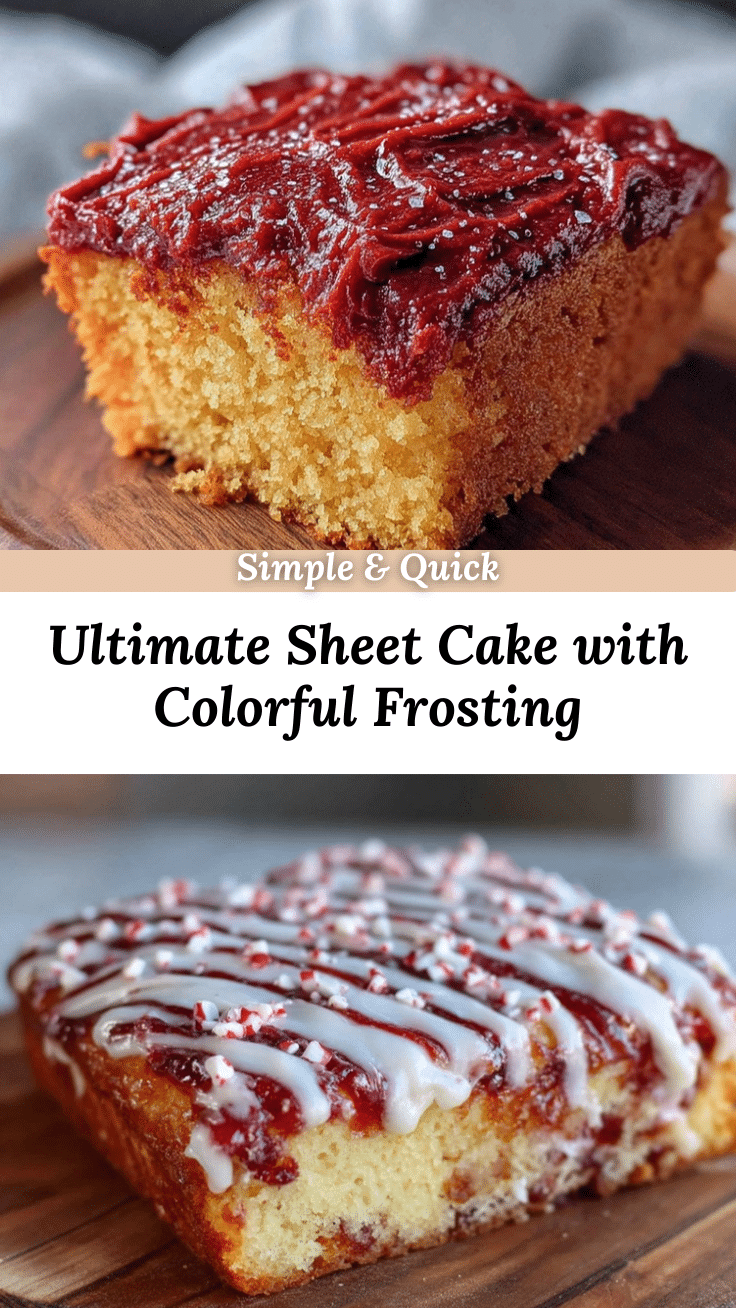
Perfect Sheet Cake Recipe with School Colors Frosting for Easy Celebrations
A moist, tender sheet cake topped with customizable school colors frosting, perfect for celebrations and easy to make with pantry staples.
- Prep Time: 15 minutes
- Cook Time: 35-40 minutes
- Total Time: 50-55 minutes
- Yield: 12 servings 1x
- Category: Dessert
- Cuisine: American
Ingredients
- 2 ½ cups (300 g) all-purpose flour
- 2 cups (400 g) granulated sugar
- 2 ½ teaspoons baking powder
- ½ teaspoon baking soda
- ½ teaspoon salt
- ¾ cup (170 g) unsalted butter, softened
- 1 cup (240 ml) buttermilk, room temperature (or 1 cup milk + 1 tbsp lemon juice, let sit 5 minutes)
- 3 large eggs, room temperature
- 2 teaspoons vanilla extract
- 1 cup (225 g) unsalted butter, softened (for frosting)
- 4 cups (480 g) powdered sugar, sifted
- 2–4 tablespoons (30–60 ml) heavy cream or whole milk
- 1 teaspoon vanilla extract (for frosting)
- Gel food coloring in your school colors
Instructions
- Preheat your oven to 350°F (175°C). Lightly grease a 9×13 inch baking pan and line it with parchment paper.
- In a medium bowl, sift together the flour, baking powder, baking soda, and salt. Set aside.
- In a large bowl, beat the softened butter and granulated sugar with a mixer until light and fluffy, about 3-4 minutes.
- Add eggs one at a time, beating well after each addition. Mix in the vanilla extract.
- Add the flour mixture in three parts, alternating with the buttermilk in two parts, starting and ending with the flour mixture. Mix on low speed just until combined.
- Pour the batter into the prepared pan, scrape down the sides, and smooth the top.
- Bake for 35-40 minutes, or until a toothpick inserted in the center comes out clean or with a few moist crumbs.
- Cool the cake in the pan on a wire rack for 15 minutes, then remove from the pan and cool completely before frosting.
- For the frosting, beat softened butter on medium speed until creamy, about 2 minutes.
- Gradually add powdered sugar, mixing well after each addition.
- Add vanilla extract and 2 tablespoons heavy cream, then beat on high for 3 minutes until fluffy. Adjust cream to reach desired consistency.
- Divide frosting into bowls and tint each with gel food coloring for your school colors. Mix thoroughly.
- Frost the cooled cake by spreading a base layer with one color, then add stripes or designs with the others using an offset spatula or piping bags.
- Chill the cake for 30 minutes if desired to firm up the frosting.
Notes
Use room temperature ingredients for best results. Do not overmix after adding flour to avoid tough cake. Use gel food coloring for vibrant frosting without thinning. Let cake cool completely before frosting to prevent melting. Refrigerate cake to firm frosting if kitchen is warm.
Nutrition
- Serving Size: 1 slice (1/12 of cak
- Calories: 350
- Sugar: 35
- Fat: 15
- Carbohydrates: 50
- Protein: 4
Keywords: sheet cake, school colors frosting, easy celebration cake, moist cake, colorful frosting, party dessert