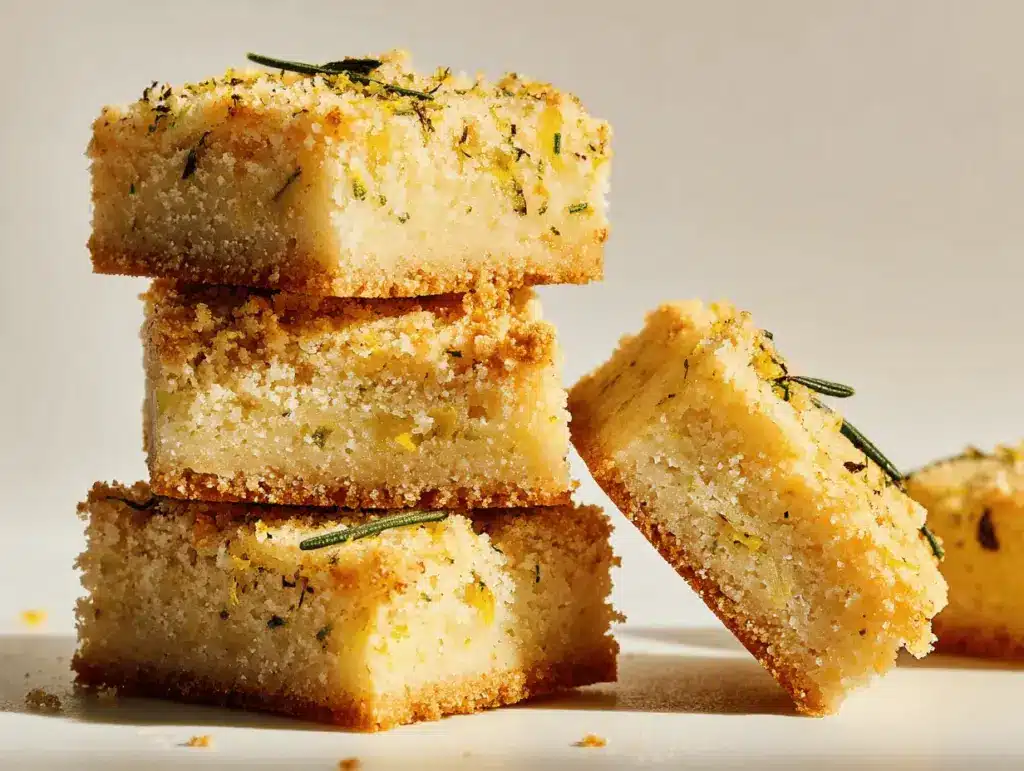
The first time I bit into a lemon rosemary shortbread bar, I swear the world stopped for a second—zingy lemon danced across my tongue, and a whisper of rosemary lingered, just enough to make me pause and grin. There’s something about the combo of tangy citrus and fresh, piney herbs that feels like a breath of spring, even in the dead of winter. These bars aren’t just a treat; they’re a memory, a mood, a little square of sunshine when you need it most.
I stumbled onto this recipe one rainy afternoon, craving that classic buttery shortbread but wanting something a little brighter. After a few rounds of tinkering (okay, maybe more than a few), I landed on this version. It’s easy, foolproof, and honestly, it’s the recipe I bring out when friends need cheering up or I’m hosting brunch and want to wow everyone with minimal effort. Lemon rosemary shortbread bars are perfect for busy families, picky eaters (kids go wild for the lemony glaze), and anyone who appreciates a dessert that’s both unique and deeply comforting. I’ve tested these bars with every pan in my kitchen, tried them with gluten-free flour, and even swapped out the dairy—trust me, they hold up every time.
As a recipe developer with a soft spot for simple, bold flavors, I can promise you: this lemon rosemary shortbread bars recipe is one you’ll want to make again and again. Whether you’re baking for a holiday table, a spring picnic, or just to treat yourself, you’ll love how bright, buttery, and downright irresistible these bars turn out. Ready to bake up a little happiness? Let’s get into it!
Why You’ll Love This Lemon Rosemary Shortbread Bars Recipe
- Quick & Easy: These bars come together in under an hour, so you can have a show-stopping dessert with minimal fuss (perfect for last-minute get-togethers or those “I need something sweet, now!” moments).
- Simple Ingredients: No wild goose chase at the grocery store—just basic pantry staples, fresh lemon, and a sprig of rosemary (you might already have everything you need in your kitchen right now).
- Perfect for Any Occasion: Brunches, potlucks, tea parties, or lazy afternoons—these lemon rosemary shortbread bars are always a hit. I love making a double batch for holidays and gifting them to friends (they package up beautifully!).
- Crowd-Pleaser: Kids love the sweet-tart glaze, adults appreciate the herby twist, and everyone fights for the last piece. I’ve brought these to office parties and watched them disappear in minutes.
- Unbelievably Delicious: The buttery shortbread melts in your mouth, while the lemon glaze gives each bite a bright, tangy finish. The rosemary is subtle but totally transforms the flavor profile—trust me, you’ll want to put rosemary in all your desserts after this.
What sets this lemon rosemary shortbread bars recipe apart? Blending the lemon zest with the sugar before mixing into the dough—it’s a trick I picked up from a pastry chef, and it perfumes the whole dough with citrus. Plus, chopping the rosemary extra-fine ensures it’s never overwhelming, just a gentle botanical note in the background. I’ve tried a lot of lemon bars and rosemary bakes in my day, but this is the only one that makes people close their eyes and sigh after the first bite. It’s comforting and classy at the same time—exactly what you want from a homemade treat.
And honestly, there’s just something special about baking with fresh herbs. It feels cozy, creative, and just a little bit fancy. If you want a memorable treat that’s surprisingly easy, this is the recipe you’ll reach for again and again.
What Ingredients You Will Need
This recipe uses simple, wholesome ingredients to deliver bold flavor and a melt-in-your-mouth texture—no fancy techniques or specialty items needed. Here’s exactly what you’ll need for your lemon rosemary shortbread bars:
- For the Shortbread Base:
- All-purpose flour – 2 cups (250g) (gives structure; you can swap for a 1:1 gluten-free flour blend if needed)
- Unsalted butter – 1 cup (226g), softened to room temperature (key to that classic buttery crumb; I love using Kerrygold for extra richness)
- Granulated sugar – 2/3 cup (135g) (adds sweetness and helps the dough hold together)
- Fine sea salt – 1/2 teaspoon (balances the flavors; don’t skip it!)
- Lemon zest – zest from 2 large lemons (about 2 tablespoons; use organic if possible since you’re using the peel)
- Fresh rosemary – 1 tablespoon, very finely chopped (I snip it with kitchen scissors for the tiniest pieces; dried rosemary isn’t quite the same, but you can use 1 teaspoon if that’s all you have)
- Vanilla extract – 1 teaspoon (rounds out the flavors and ties everything together)
- For the Lemon Glaze:
- Powdered sugar – 1 cup (120g) (sifted for smoothness)
- Fresh lemon juice – 2 to 3 tablespoons (adjust to your desired consistency and tanginess)
- Additional lemon zest – optional, for garnish
- Extra rosemary sprigs – optional, for a pretty top (totally optional, but it makes the bars look stunning for parties or Pinterest photos!)
Ingredient Tips: For the best lemon flavor, always zest your lemons before juicing—trust me, it’s much easier! If you’re short on lemons, bottled lemon juice works in a pinch, but fresh is way better. Can’t do dairy? Substitute your favorite plant-based butter (I’ve had good luck with Country Crock Plant Butter). For a fun twist, toss in a handful of finely chopped pistachios or almonds to the dough for extra crunch.
If you need a lower sugar option, you can reduce the sugar in the shortbread by a couple tablespoons—it’s still delicious, just a little less sweet. And for those who love experimenting, try orange zest instead of lemon for a slightly different citrus vibe.
Equipment Needed
- 8×8-inch (20x20cm) baking pan: The perfect size for thick, satisfying bars. If you only have a 9×9-inch pan, your bars will be a bit thinner—just bake for a few minutes less.
- Parchment paper: Makes removing the bars a breeze (and ensures no stuck-on bottoms). If you’re out, greasing the pan works too, but parchment is my go-to.
- Mixing bowls: At least two—one for the dough and one for the glaze. I love glass bowls because I can see when everything’s mixed well.
- Electric mixer or stand mixer: Not strictly necessary, but creaming the butter and sugar is much easier with some power. A sturdy wooden spoon and elbow grease absolutely work, though!
- Microplane or fine grater: For zesting the lemons. Hand-held zesters are a lifesaver for getting just the fragrant yellow part (no bitter white pith).
- Measuring cups and spoons: Precision matters for baking! I use both US and metric, but pick whatever you’re comfortable with.
- Sharp knife or bench scraper: For cutting the bars cleanly once they’re cooled. A bench scraper gives lovely straight edges, but any sharp knife will do.
If you don’t have an electric mixer, don’t sweat it—just let your butter soften fully and use a sturdy spoon. I’ve made these in rental kitchens with nothing more than a fork and a glass for pressing the dough. For easy cleanup, line your pan with a parchment paper sling (leave a bit hanging over the sides). And if you bake a lot, investing in a good zester is 100% worth it—it’s a game-changer for citrus recipes like this.
How to Make Lemon Rosemary Shortbread Bars
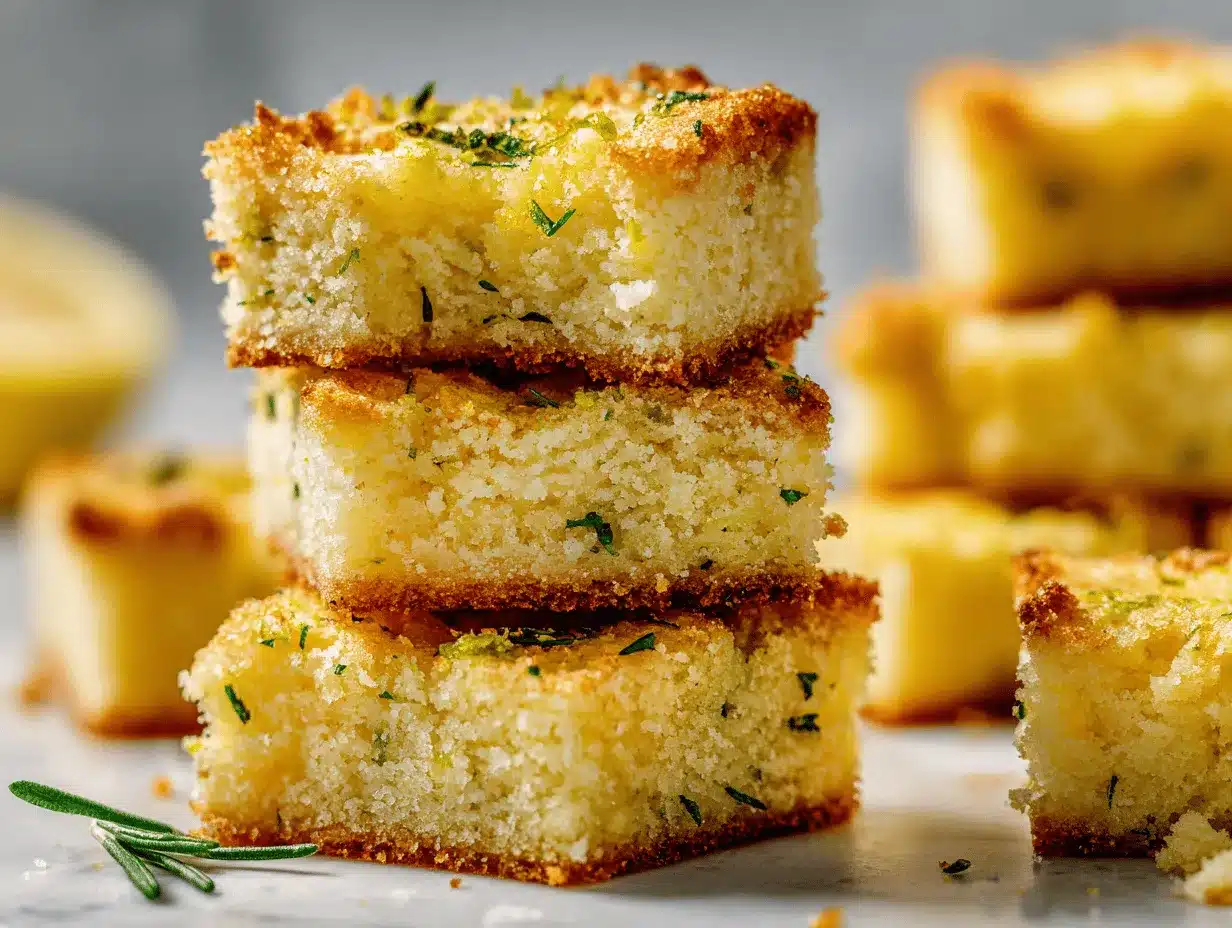
- Preheat & Prep: Set your oven to 350°F (175°C). Line your 8×8-inch (20x20cm) pan with parchment paper, leaving some overhang on the sides for easy lifting. (This is a small extra step, but it makes getting perfect squares so much easier!)
- Infuse the Sugar: In a medium bowl, combine 2/3 cup (135g) granulated sugar and the zest from 2 lemons. Use your fingers to rub the zest into the sugar until it’s fragrant and slightly damp. This helps release the lemon oils and packs the dough with citrusy flavor.
- Cream Butter & Sugar: In a large bowl, beat 1 cup (226g) softened unsalted butter with the lemon-sugar mixture and 1/2 teaspoon fine sea salt. Mix with an electric mixer on medium speed (or a sturdy spoon) for 2-3 minutes, until light and fluffy.
- Add Rosemary & Vanilla: Beat in 1 tablespoon very finely chopped fresh rosemary and 1 teaspoon vanilla extract until evenly combined. Don’t worry if your butter looks a bit speckled—those rosemary bits are little flavor bombs!
- Add Flour: Gradually add 2 cups (250g) all-purpose flour, mixing on low until just combined. The dough will be soft but not sticky. If it’s crumbly, gently knead it with your hands a few times until it holds together.
-
Press & Bake: Transfer the dough to your prepared pan. Press it evenly into the bottom (I use the flat bottom of a measuring cup for a super-smooth surface). Prick the surface lightly with a fork to prevent bubbles. Bake for 28-32 minutes, or until the edges are just turning golden and the center feels set.
Tip: Ovens vary—a minute or two can make a difference. Keep an eye on it after the 25-minute mark! - Cool Completely: Let the shortbread cool in the pan for 10-15 minutes, then lift it out using the parchment overhang and transfer to a wire rack. Cool completely before glazing—if you rush, the glaze will melt right off.
- Make the Lemon Glaze: In a small bowl, whisk together 1 cup (120g) powdered sugar with 2-3 tablespoons fresh lemon juice. You want a thick but pourable glaze. If it’s too stiff, add a few drops of juice; too runny, add more sugar.
- Glaze & Garnish: Pour the glaze over the cooled shortbread and spread evenly to the edges. While the glaze is still wet, sprinkle with extra lemon zest or tiny rosemary sprigs if you like. (Kids love helping with this part!)
- Slice & Serve: Let the glaze set for 20-30 minutes. Use a sharp knife or bench scraper to cut into 16 squares. Wipe the blade clean between cuts for the neatest edges.
Troubleshooting Tips: If your dough is too crumbly, add an extra teaspoon of lemon juice and knead gently. Bars not setting? They might need another 3-5 minutes in the oven (look for light golden edges). Glaze too runny? Just add more powdered sugar, a tablespoon at a time, until it spreads but doesn’t puddle.
Personal Note: I always zest my lemons directly over the bowl to catch every fragrant oil. Also, pressing the dough evenly is key—thinner spots can overbake. I’ve learned the hard way: patience pays off. Let the bars cool fully before glazing for the prettiest finish!
Cooking Tips & Techniques
- Use Room Temperature Butter: Soft butter mixes more easily and gives you that classic tender crumb. If you’re short on time, cut the butter into cubes and let it sit out for 30 minutes—or, in emergencies, microwave it in 5-second bursts (just don’t melt it!).
- Get the Zest Right: Only zest the yellow part of the lemon—avoid the bitter white pith. A microplane is truly your best friend here. I once tried using a box grater, and, well, let’s just say it wasn’t pretty.
- Finely Chop Rosemary: The smaller, the better. Big pieces can taste soapy; super-fine pieces melt into the dough, adding flavor without overpowering.
- Don’t Overwork the Dough: Mix until just combined. Over-mixing develops gluten and can make shortbread tough. If you’re using a mixer, stop as soon as the dough starts to come together.
- Watch Your Oven: Every oven is a little different. I had a rental oven that ran hot and nearly scorched a batch—start checking at 25 minutes, and look for golden edges, not a totally brown top.
- Cool Before Glazing: I know it’s tempting to rush, but the glaze will slide right off warm bars. If you’re in a hurry, pop the pan (not the glaze!) in the fridge for 15 minutes to speed things up.
- Clean Cuts: For bakery-worthy bars, wipe your knife after each slice. A little patience goes a long way for that Pinterest-perfect look!
One mistake I made early on? Using dried rosemary without chopping it smaller. It was like biting into tiny twigs—definitely not what you want. Lesson learned: always chop herbs as fine as possible for shortbread. And don’t be afraid to taste the dough (before adding raw flour, if you’re cautious) to check your lemon and rosemary levels—everyone’s preferences are different.
For multitasking, I zest and juice my lemons first, chop the rosemary, and measure everything out before I start mixing. It makes the whole process smoother and less stressful (and there’s less risk of forgetting an ingredient mid-way!). Consistency comes from weighing your flour if possible, and from sticking to the order of operations. Once you find your rhythm, these bars are a breeze every time.
Variations & Adaptations
- Gluten-Free Lemon Rosemary Shortbread Bars: Swap in a 1:1 gluten-free flour blend (I like King Arthur’s). Be mindful that some blends absorb more moisture; if the dough seems dry, add a teaspoon of lemon juice or milk until it holds together.
- Dairy-Free Option: Use a plant-based butter alternative. I’ve made these with Country Crock Plant Butter and Earth Balance, and they turned out lovely—just watch your baking time, as dairy-free butters can brown a bit faster.
- Flavor Twist: Try orange zest and thyme instead of lemon and rosemary for a warmer, slightly sweeter bar. Or, for a holiday spin, add a pinch of ground ginger and a handful of chopped pistachios to the dough.
- Different Cooking Methods: If you only have a 9×13-inch pan, double the recipe for thicker bars or keep it as is for thinner, crisper shortbread (just check after 18-20 minutes for doneness). You can also press the dough into a tart pan for a fancier presentation.
- Nut Allergies: The base recipe is nut-free, but if you’re adding nuts, always check with your guests about allergies. For an extra crunch without nuts, sprinkle coarse sugar on top of the glaze.
- Personal Favorite: Sometimes I add a handful of white chocolate chips to the shortbread dough—sounds wild, but white chocolate and lemon are a dreamy combo!
Mix and match the citrus and herbs or add a few drops of almond extract for a unique twist. These lemon rosemary shortbread bars are super flexible, so don’t be afraid to experiment and make them your own.
Serving & Storage Suggestions
For the best flavor, serve your lemon rosemary shortbread bars at room temperature. The buttery base softens just enough, and the glaze gets that perfect, crackly finish. I love presenting them on a vintage cake stand for brunches or stacking them on a pretty plate with a sprinkle of extra lemon zest for parties. Paired with a cup of Earl Grey tea or a glass of sparkling lemonade, they’re next-level delightful.
To store, keep the bars in an airtight container at room temperature for up to 3 days (if they last that long!). For longer storage, refrigerate for up to a week—they’ll keep their texture, though the glaze may get a little softer. For make-ahead magic, freeze unglazed bars tightly wrapped for up to 2 months, then thaw and glaze just before serving. If you need to refresh them, a quick 5-minute sit at room temp brings back their snap.
Fun tip: The flavors mellow and meld after a day or two, making leftovers even more delicious (if you have any). For picnics or lunchboxes, wrap individual bars in parchment paper for a mess-free treat. And if you ever want to warm them up, 10 seconds in the microwave is all you need for that just-baked aroma.
Nutritional Information & Benefits
Each lemon rosemary shortbread bar (based on 16 servings) contains approximately:
- Calories: 180
- Fat: 9g
- Carbohydrates: 23g
- Sugar: 13g
- Protein: 2g
Lemon brings vitamin C and a burst of antioxidants, while rosemary adds anti-inflammatory compounds and a little fiber. The bars are naturally nut-free and can be made gluten-free or dairy-free with simple swaps. Watch out for allergens in butter and flour if you have sensitivities. If you’re balancing your treats, these are rich but portion-friendly—I like to think of them as a little boost of sunshine for your day. Baking with real, fresh ingredients always feels like a win in my book!
Conclusion
Honestly, these lemon rosemary shortbread bars are one of those recipes I come back to over and over—bright, buttery, and just the right amount of fancy. They’re easy enough for a weeknight bake but special enough to impress your toughest critic. If you love desserts that walk the line between classic comfort and modern flavor, this is for you.
Don’t be afraid to make these bars your own—switch up the citrus, try a new herb, or double the glaze (I won’t judge). I love how these bars bring a little bit of joy to even the grayest days, and I hope they do the same for you. Give them a try, share your photos or favorite tweaks in the comments, and spread the lemony love!
Bake happy, friends—and remember, sometimes the best treats are the ones with a little zest and a lot of heart.
FAQs About Lemon Rosemary Shortbread Bars
How do I store lemon rosemary shortbread bars to keep them fresh?
Keep them in an airtight container at room temperature for up to 3 days, or refrigerate for up to a week. For longer storage, freeze (unglazed) for up to 2 months and glaze after thawing.
Can I use dried rosemary instead of fresh?
Yes, but use only 1 teaspoon and chop it extra fine. The flavor will be a bit different—fresher and milder with fresh rosemary, a little woodier with dried.
What’s the best way to get clean slices?
Let the bars cool completely and use a sharp knife or bench scraper, wiping the blade between cuts. Chilling the bars for 10 minutes before slicing also helps get neat edges.
Can I make these bars gluten-free?
Absolutely! Swap in a 1:1 gluten-free flour blend for the all-purpose flour. If the dough is too crumbly, add a teaspoon of lemon juice or milk to help it come together.
Is there a way to make these bars vegan?
Yes, use your favorite plant-based butter and double-check that your sugar and powdered sugar are vegan-friendly. The results are just as tasty and bright!
Pin This Recipe!

Lemon Rosemary Shortbread Bars
These Lemon Rosemary Shortbread Bars combine buttery, melt-in-your-mouth shortbread with bright lemon zest and a subtle hint of rosemary, all topped with a tangy lemon glaze. Perfect for brunches, parties, or whenever you need a little square of sunshine.
- Prep Time: 15 minutes
- Cook Time: 30 minutes
- Total Time: 50 minutes
- Yield: 16 bars 1x
- Category: Dessert
- Cuisine: American
Ingredients
- 2 cups (250g) all-purpose flour
- 1 cup (226g) unsalted butter, softened to room temperature
- 2/3 cup (135g) granulated sugar
- 1/2 teaspoon fine sea salt
- Zest from 2 large lemons (about 2 tablespoons)
- 1 tablespoon fresh rosemary, very finely chopped (or 1 teaspoon dried, chopped extra fine)
- 1 teaspoon vanilla extract
- 1 cup (120g) powdered sugar, sifted
- 2 to 3 tablespoons fresh lemon juice
- Additional lemon zest, optional, for garnish
- Extra rosemary sprigs, optional, for garnish
Instructions
- Preheat oven to 350°F (175°C). Line an 8×8-inch (20x20cm) baking pan with parchment paper, leaving overhang for easy removal.
- In a medium bowl, combine granulated sugar and lemon zest. Rub zest into sugar with your fingers until fragrant and slightly damp.
- In a large bowl, beat softened butter with the lemon-sugar mixture and salt using an electric mixer (or sturdy spoon) for 2-3 minutes until light and fluffy.
- Beat in finely chopped rosemary and vanilla extract until evenly combined.
- Gradually add flour, mixing on low until just combined. If dough is crumbly, knead gently by hand until it holds together.
- Press dough evenly into prepared pan. Prick surface lightly with a fork.
- Bake for 28-32 minutes, or until edges are just turning golden and center feels set. Start checking at 25 minutes.
- Let shortbread cool in pan for 10-15 minutes, then lift out using parchment and transfer to a wire rack. Cool completely before glazing.
- For the glaze, whisk powdered sugar with 2-3 tablespoons fresh lemon juice until thick but pourable. Adjust consistency as needed.
- Pour glaze over cooled shortbread and spread evenly. Garnish with extra lemon zest or rosemary sprigs if desired.
- Let glaze set for 20-30 minutes. Cut into 16 squares with a sharp knife or bench scraper, wiping blade between cuts.
Notes
For best results, use room temperature butter and zest lemons before juicing. Finely chop rosemary to avoid large, overpowering pieces. Let bars cool completely before glazing for a neat finish. Bars can be made gluten-free or dairy-free with simple swaps. Store in an airtight container at room temperature for up to 3 days, or refrigerate for up to a week. Freeze unglazed bars for up to 2 months.
Nutrition
- Serving Size: 1 bar (1/16 of recipe)
- Calories: 180
- Sugar: 13
- Sodium: 60
- Fat: 9
- Saturated Fat: 5
- Carbohydrates: 23
- Protein: 2
Keywords: lemon rosemary shortbread bars, lemon dessert, easy shortbread, spring dessert, brunch, buttery bars, citrus, rosemary, glaze, nut-free, make ahead, picnic, tea party, vegetarian