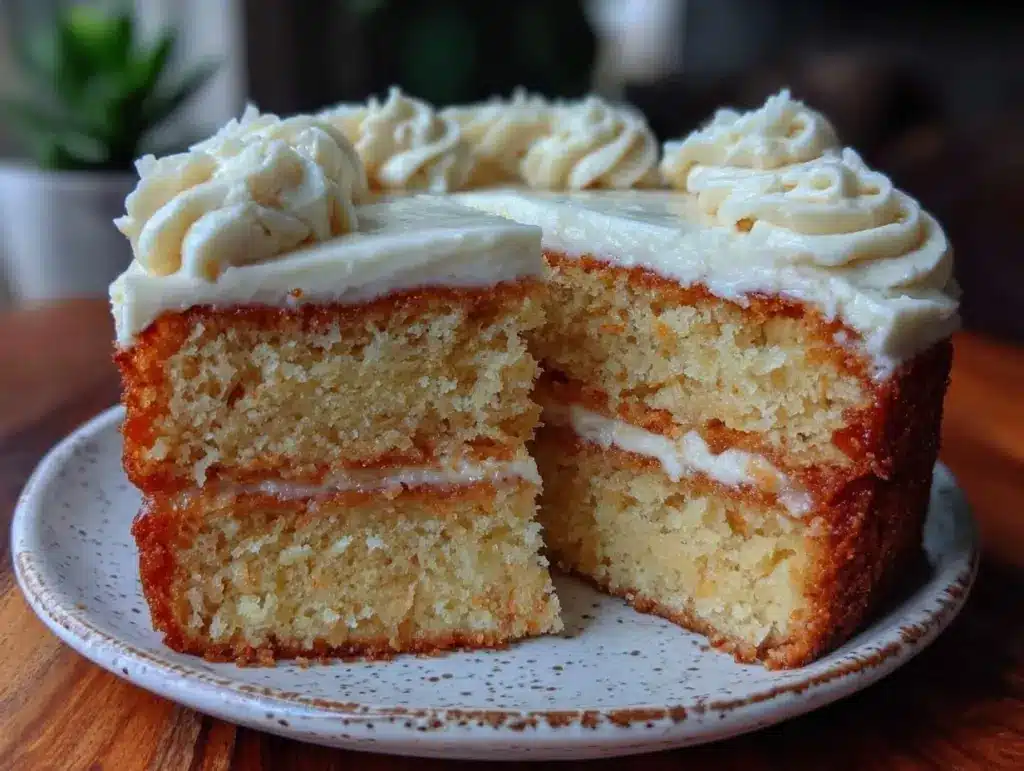
“I never thought a simple vanilla cake could cause such a delightful mess,” my neighbor chuckled as I recounted my latest kitchen adventure. It was last Saturday afternoon, the sun streaming lazily through the window, and I was racing against time to whip up a dessert for a surprise visit from my cousin. I’d forgotten the sugar, made a little flour cloud explosion on the counter, and somehow, amidst the chaos, crafted what might be the softest, most tender homemade vanilla cake you could imagine. Honestly, the way the buttercream frosting melted into every crumb had me closing my eyes in pure bliss.
You know that feeling when a recipe takes you back to your childhood, but with a grown-up twist? This vanilla cake does exactly that. It’s not just about sweetness or texture; it’s about comfort, memories, and that warm kitchen glow. Maybe you’ve been there—scrambling last minute but ending up with something better than planned. This cake stuck with me because it’s forgiving, straightforward, and downright irresistible.
Let me tell you, this isn’t some fancy bakery creation. It’s the kind of recipe you can pull off with everyday pantry items, even if you’re not a professional baker. And the buttercream frosting? Creamy, luscious, and just right—not too sweet, not too rich. If you’re craving a treat that feels like a hug in cake form, keep reading. This tender homemade vanilla cake with creamy buttercream frosting might just become your new favorite.
Why You’ll Love This Tender Homemade Vanilla Cake Recipe with Creamy Buttercream Frosting
After countless trials (and a few kitchen blunders), I’ve fine-tuned this recipe to be both reliable and delicious. Here’s why it stands out:
- Quick & Easy: Ready in under 90 minutes from start to finish—perfect for those busy days or last-minute celebrations.
- Simple Ingredients: No fancy or hard-to-find items. Most are pantry staples like all-purpose flour, vanilla extract, and butter.
- Perfect for Any Occasion: Whether it’s a casual weeknight dessert or a special birthday, this cake fits right in.
- Crowd-Pleaser: Family, friends, or even picky eaters can’t get enough of this tender crumb and smooth buttercream.
- Unbelievably Delicious: The balance between a moist, tender crumb and creamy frosting is just right—never dry, never too sweet.
This recipe isn’t just another vanilla cake. What makes it special is the technique of folding the batter gently, which preserves air bubbles, giving that light, cloud-like texture. Plus, the buttercream frosting is whipped just enough to be fluffy without becoming overly sweet or dense. Honestly, I’ve tried plenty of frostings that fell flat, but this one keeps its silky charm even after chilling.
For me, it’s the kind of dessert that makes you pause and savor the first bite, the kind that sticks with you not because it’s complicated, but because it feels homemade and heartfelt. I’m pretty sure once you try it, you’ll want to make it again and again.
What Ingredients You Will Need for Tender Homemade Vanilla Cake and Creamy Buttercream Frosting
This recipe depends on straightforward, wholesome ingredients that deliver maximum flavor and texture without fuss. Most of these you probably have around, making it ideal for spontaneous baking sessions.
- For the Cake Batter:
- 2¾ cups (345g) all-purpose flour – I prefer King Arthur for its consistent texture
- 2½ teaspoons baking powder – this gives the cake its rise and fluffiness
- ½ teaspoon baking soda
- ½ teaspoon salt
- 1 cup (227g) unsalted butter, softened – room temperature butter blends best
- 1¾ cups (350g) granulated sugar – standard white sugar works perfectly
- 4 large eggs, room temperature – helps with smooth batter and rise
- 1 tablespoon pure vanilla extract – quality matters here; Nielsen-Massey is my go-to
- 1 cup (240ml) whole milk, room temperature – you can swap with buttermilk for a tangy twist
- For the Creamy Buttercream Frosting:
- 1 cup (227g) unsalted butter, softened
- 4 cups (480g) powdered sugar, sifted – prevents lumps for a silky finish
- 1 tablespoon pure vanilla extract
- 2-4 tablespoons (30-60ml) heavy cream or whole milk – adjust for desired consistency
- Pinch of salt – balances sweetness
If you want a dairy-free version, swap butter with vegan butter and milk with almond or oat milk. For gluten-free, try a 1-to-1 gluten-free baking flour blend, but note that texture might be slightly different.
Equipment Needed for the Perfect Homemade Vanilla Cake
- Two 8-inch (20 cm) round cake pans – I find metal pans conduct heat best for even baking
- Electric mixer (stand or hand-held) – crucial for creaming butter and whipping the frosting smoothly
- Mixing bowls – at least two, medium to large size
- Measuring cups and spoons – accurate measurements make all the difference
- Rubber spatula – for folding batter gently without deflating air bubbles
- Cooling rack – allows cakes to cool evenly without sogginess
- Offset spatula or butter knife – handy for spreading the buttercream frosting
If you don’t have cake pans, you can use a 9×13-inch pan, but baking time will vary. A budget-friendly electric hand mixer works just fine; I used one for years before upgrading. Keep your tools clean and dry—especially bowls and beaters—so the butter whips up just right.
Preparation Method for Tender Homemade Vanilla Cake with Creamy Buttercream Frosting
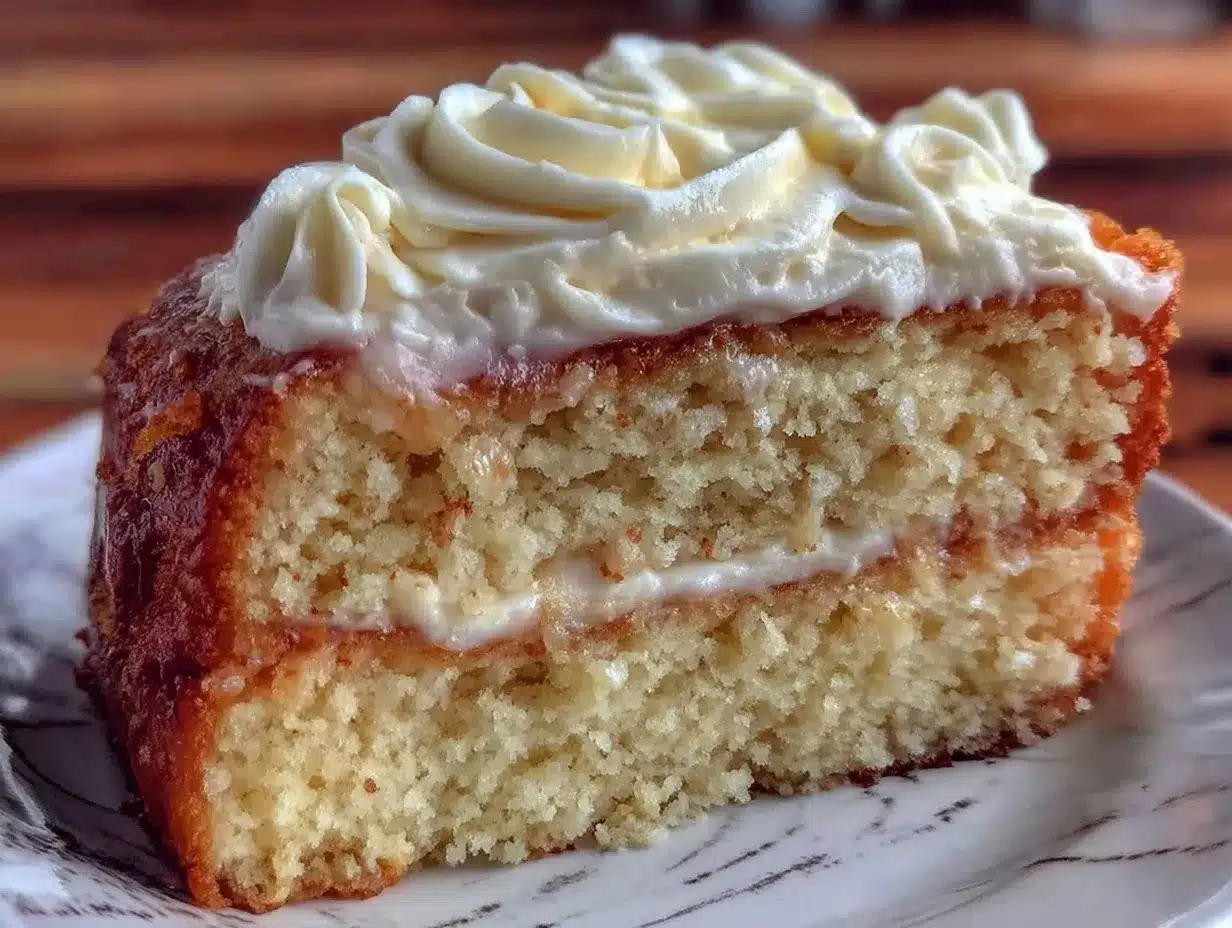
- Preheat your oven to 350°F (175°C). Grease and flour your cake pans or line them with parchment paper. This ensures the cakes release easily after baking (about 10 minutes prep).
- Mix dry ingredients: In a medium bowl, sift together 2¾ cups (345g) flour, 2½ teaspoons baking powder, ½ teaspoon baking soda, and ½ teaspoon salt. Set aside. Sifting helps avoid lumps and ensures even distribution.
- Cream butter and sugar: In a large bowl, use your electric mixer to beat 1 cup (227g) softened butter with 1¾ cups (350g) sugar until light and fluffy—about 3-5 minutes. You’ll notice the mixture turning pale and airy, signaling enough air has been incorporated.
- Add eggs and vanilla: Beat in 4 large eggs one at a time, mixing well after each addition. Then add 1 tablespoon pure vanilla extract. This step adds richness and depth to the cake’s flavor.
- Combine wet and dry: Alternately add the dry ingredients and 1 cup (240ml) milk to the butter mixture, beginning and ending with the dry mix. Use a rubber spatula to fold gently after each addition. Overmixing can make the cake tough, so be gentle!
- Pour batter and bake: Divide the batter evenly between your prepared pans. Smooth the tops with a spatula. Bake in the preheated oven for 30-35 minutes, or until a toothpick inserted in the center comes out clean. Cakes should spring back lightly when pressed.
- Cool completely: Let cakes cool in pans for 10 minutes, then transfer to a wire rack to cool fully before frosting. If you frost warm cakes, the buttercream can melt and slide off.
- Prepare the buttercream frosting: In a large bowl, beat 1 cup (227g) softened butter until creamy (about 2 minutes). Gradually add 4 cups (480g) powdered sugar, 1 tablespoon vanilla, and a pinch of salt. Beat on low speed to combine, then increase to high and whip until fluffy—about 3-4 minutes. Add 2-4 tablespoons heavy cream or milk to reach desired spreadability.
- Assemble the cake: Place one cake layer on your serving plate. Spread a generous amount of buttercream on top. Add the second layer and frost the top and sides. For a smooth finish, use an offset spatula. Chill for 30 minutes to let the frosting set.
Quick tip: If your batter seems too thick, a splash more milk can help loosen it. Also, don’t rush folding the batter—patience here makes the crumb tender and soft. I once skipped this and ended up with a denser cake, so trust me on this one!
Cooking Tips & Techniques for the Best Vanilla Cake and Buttercream
Here’s what I’ve learned after many batches (and a few near disasters):
- Room Temperature Ingredients Matter: Cold butter or eggs can cause the batter to curdle or not mix properly, leading to uneven texture.
- Don’t Overmix: Once you add the flour, mix just until combined. Overmixing develops gluten, making the cake tough instead of tender.
- Measuring Flour Correctly: Spoon flour into your measuring cup and level it off with a knife rather than scooping directly, which packs flour and adds too much.
- Buttercream Whipping: Beat butter alone first until creamy before adding sugar. This traps air and ensures a fluffy texture.
- Adjusting Frosting Consistency: If it’s too stiff, add a splash more milk; if too runny, add powdered sugar gradually.
- Multitasking Tip: While cakes bake, prep your frosting. Saves time and keeps the kitchen flow steady.
- Cooling is Key: Frosting warm cakes? It’ll melt and slide off—let the cakes cool completely for best results.
Honestly, the first time I made this cake, I forgot to grease my pans properly, and the cake stuck horribly. Lesson learned: a little extra prep saves big cleanup later.
Variations & Adaptations to Customize Your Vanilla Cake
You can tweak this tender homemade vanilla cake recipe in fun ways to suit your taste or dietary needs:
- Chocolate Swirl: Add ¼ cup (25g) cocoa powder to half the batter and gently swirl it into the vanilla before baking.
- Fruit Infusion: Fold in 1 cup (150g) fresh blueberries or raspberries to the batter for a fresh, fruity twist.
- Gluten-Free Version: Use a 1-to-1 gluten-free baking flour blend, but reduce baking powder slightly for best rise.
- Dairy-Free Adaptation: Swap butter with coconut oil or vegan butter and use almond milk instead of dairy milk.
- Spiced Vanilla: Add 1 teaspoon ground cinnamon or cardamom to the dry ingredients for a warm, cozy flavor.
Personally, I once added a splash of almond extract along with vanilla—it gave the cake a subtle nutty depth that surprised my guests. Feel free to experiment with extracts like orange or lemon for a refreshing note.
Serving & Storage Suggestions for Your Vanilla Cake with Buttercream
This cake tastes best at room temperature, allowing the buttercream to be soft and creamy. Serve slices with a cup of tea or a cold glass of milk for a comforting combo.
If you want to dress it up, fresh berries or edible flowers on top add a beautiful, fresh touch. For celebrations, sprinkle colorful nonpareils or chocolate shavings.
To store, keep the cake covered in an airtight container in the fridge for up to 4 days. Bring slices to room temperature before serving for the best flavor and texture.
For longer storage, freeze the cake wrapped tightly in plastic wrap and foil for up to 3 months. Thaw overnight in the fridge, then allow to warm to room temperature before slicing.
Interestingly, the flavors meld beautifully after a day, making leftovers even tastier. I often bake the day before for parties to save time and boost flavor.
Nutritional Information & Benefits of This Homemade Vanilla Cake
Per serving (1 slice, assuming 12 servings): approximately 320 calories, 15g fat, 42g carbohydrates, 3g protein.
This recipe uses real butter and eggs, providing some beneficial fat-soluble vitamins and protein. Vanilla extract adds its classic aroma without calories.
While this cake isn’t a low-calorie treat, the ingredients are straightforward and free from artificial additives or preservatives.
For those mindful of allergens, this recipe contains gluten, dairy, and eggs, but substitutions mentioned earlier can accommodate many dietary restrictions.
From a wellness perspective, I see this cake as a joyful treat—balanced with wholesome ingredients and the kind of homemade comfort that matters.
Conclusion: Why This Tender Homemade Vanilla Cake with Creamy Buttercream Frosting Should Be Your Next Bake
This recipe offers a dependable way to create a tender, moist vanilla cake paired with dreamy buttercream frosting that feels both classic and special. It’s easy enough for beginners but satisfying for seasoned bakers looking for a reliable go-to vanilla cake.
Don’t be afraid to personalize it—whether with a splash of your favorite extract, seasonal fruit, or an allergen-friendly swap. I love this cake not just because it tastes wonderful, but because it’s about the process—messy counters, laughter, and that moment when you taste your creation and smile.
Give it a try, and drop a comment to share your twists or questions. Happy baking, and remember: sometimes the best cakes come from a little chaos and a lot of love!
Frequently Asked Questions About Tender Homemade Vanilla Cake
Can I make this cake a day ahead?
Yes! Bake and cool the cake completely, then wrap tightly and store at room temperature or in the fridge. Frost just before serving for best results.
How do I prevent my cake from drying out?
Measure your flour carefully, don’t overbake (start checking at 30 minutes), and store the cake covered to retain moisture.
Can I use salted butter instead of unsalted?
You can, but reduce or skip the added salt in the recipe to avoid an overly salty taste.
What if I don’t have an electric mixer?
You can mix by hand using a whisk and wooden spoon, but it will take more effort to achieve the same light texture, especially for the buttercream.
How do I get my buttercream to be smooth and not grainy?
Make sure your powdered sugar is sifted and beat the butter thoroughly before adding sugar. Adding a little cream helps create a smoother consistency.
Pin This Recipe!
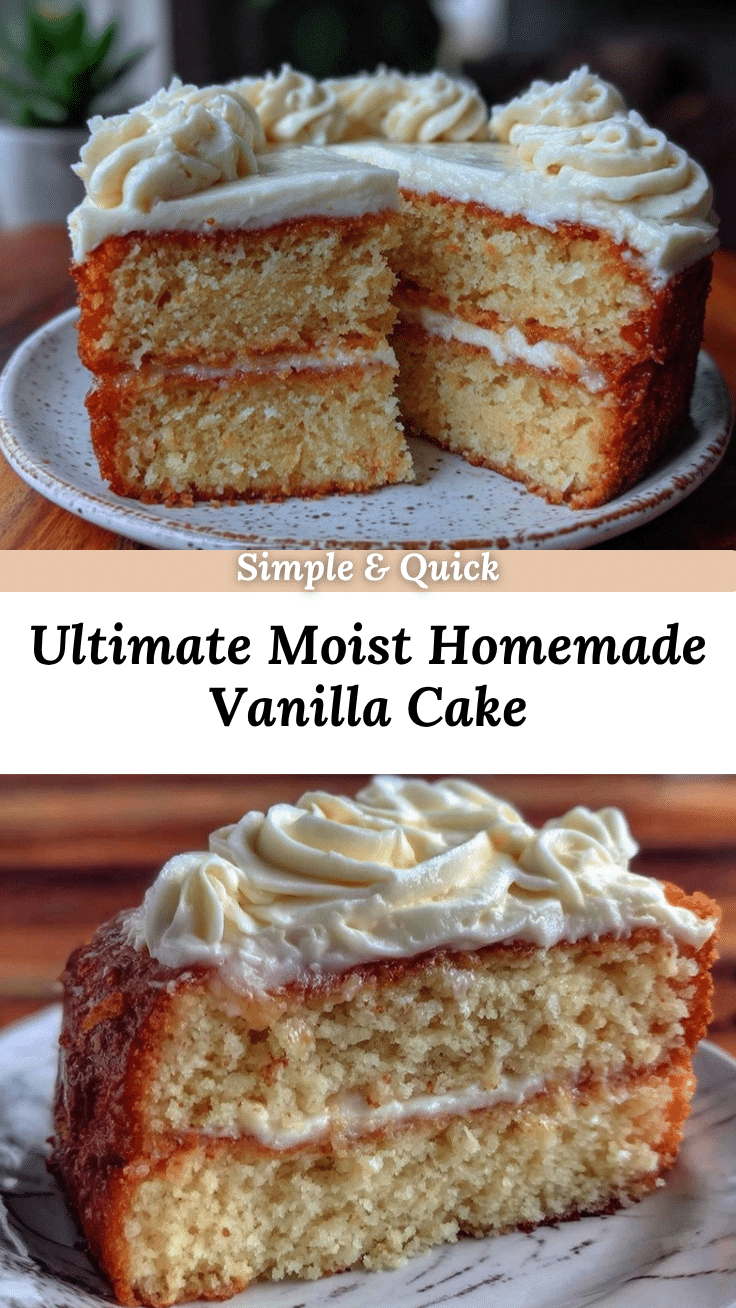
Tender Homemade Vanilla Cake Recipe with Creamy Buttercream Frosting
A soft, tender vanilla cake paired with a creamy, luscious buttercream frosting. This easy-to-make recipe uses simple pantry ingredients and yields a moist, crowd-pleasing dessert perfect for any occasion.
- Prep Time: 10 minutes
- Cook Time: 30-35 minutes
- Total Time: 50-55 minutes
- Yield: 12 servings 1x
- Category: Dessert
- Cuisine: American
Ingredients
- 2¾ cups (345g) all-purpose flour
- 2½ teaspoons baking powder
- ½ teaspoon baking soda
- ½ teaspoon salt
- 1 cup (227g) unsalted butter, softened
- 1¾ cups (350g) granulated sugar
- 4 large eggs, room temperature
- 1 tablespoon pure vanilla extract
- 1 cup (240ml) whole milk, room temperature
- For the Buttercream Frosting:
- 1 cup (227g) unsalted butter, softened
- 4 cups (480g) powdered sugar, sifted
- 1 tablespoon pure vanilla extract
- 2–4 tablespoons (30-60ml) heavy cream or whole milk
- Pinch of salt
Instructions
- Preheat oven to 350°F (175°C). Grease and flour two 8-inch round cake pans or line with parchment paper.
- In a medium bowl, sift together flour, baking powder, baking soda, and salt. Set aside.
- In a large bowl, beat softened butter and sugar with an electric mixer until light and fluffy, about 3-5 minutes.
- Add eggs one at a time, beating well after each addition. Stir in vanilla extract.
- Alternately add dry ingredients and milk to the butter mixture, beginning and ending with dry ingredients. Fold gently with a rubber spatula after each addition to preserve air bubbles.
- Divide batter evenly between prepared pans and smooth tops.
- Bake for 30-35 minutes or until a toothpick inserted in the center comes out clean and cakes spring back when pressed lightly.
- Cool cakes in pans for 10 minutes, then transfer to a wire rack to cool completely before frosting.
- For the frosting, beat softened butter until creamy (about 2 minutes). Gradually add powdered sugar, vanilla, and salt. Beat on low to combine, then high until fluffy (3-4 minutes). Add heavy cream or milk to reach desired consistency.
- Place one cake layer on a serving plate. Spread a generous amount of buttercream on top. Add second layer and frost top and sides. Use an offset spatula for a smooth finish.
- Chill assembled cake for 30 minutes to set the frosting.
Notes
Use room temperature ingredients for best results. Fold batter gently to preserve air bubbles and ensure a tender crumb. Sift powdered sugar for smooth buttercream. Chill cake after frosting to set. For dairy-free, substitute vegan butter and plant milk. For gluten-free, use a 1-to-1 gluten-free baking flour blend.
Nutrition
- Serving Size: 1 slice (1/12 of cak
- Calories: 320
- Fat: 15
- Carbohydrates: 42
- Protein: 3
Keywords: vanilla cake, homemade cake, buttercream frosting, easy vanilla cake, tender cake, moist cake, birthday cake, simple cake recipe