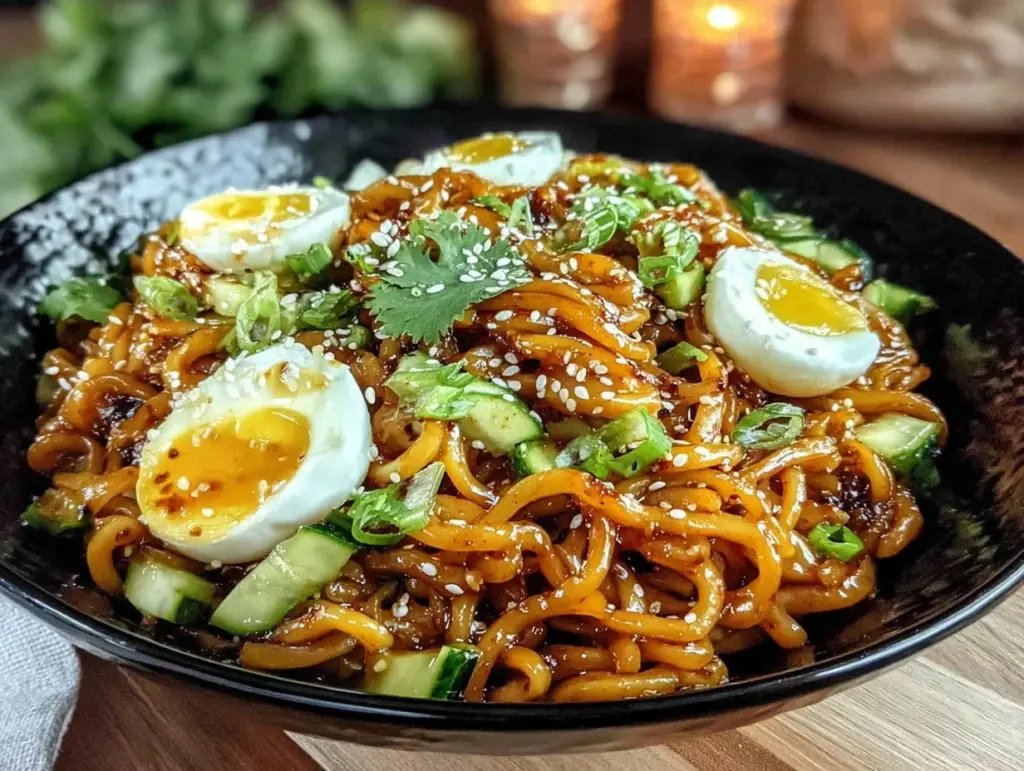
Let me tell you, the spicy, tangy aroma of gochujang simmering with garlic and sesame oil is enough to make anyone’s mouth water instantly. The first time I tossed together this Flavorful Viral Spicy Gochujang Noodles recipe, I was instantly hooked—the kind of moment where you pause, take a deep breath, and just smile because you know you’re onto something truly special. It was a rainy weekend, and I wanted something quick but with a bold punch of flavor that could warm me up from the inside out.
Years ago, when I was knee-high to a grasshopper, Korean food felt like a mystery wrapped in spice, but stumbling upon this viral recipe changed my whole perspective. Honestly, I wish I’d found it sooner—because my family couldn’t stop sneaking noodles off the plate, and I can’t really blame them. It’s dangerously easy to make and delivers pure, nostalgic comfort with a fiery kick.
You know what makes this recipe perfect? It’s just right for potlucks, a sweet treat for your kids’ adventurous taste buds, or to brighten up your Pinterest noodle board with something reliably delicious. I’ve tested this spicy gochujang noodles recipe more times than I can count in the name of research, of course. It’s become a staple for family dinners and gifting to friends who crave that authentic Korean heat. Trust me, this one feels like a warm hug when the craving hits, and you’re going to want to bookmark it for good.
Why You’ll Love This Recipe
After countless trials in my kitchen, this Flavorful Viral Spicy Gochujang Noodles recipe has proven its worth. It’s not just about heat—it’s about balance, texture, and pure comfort. Here’s why this recipe stands out:
- Quick & Easy: Ready in under 30 minutes, perfect for busy weeknights or last-minute cravings when you want big flavor fast.
- Simple Ingredients: No fancy grocery runs here—you probably already have most of this in your pantry or fridge.
- Perfect for Any Occasion: Whether it’s a cozy dinner, a casual lunch, or a fun gathering, these noodles always hit the spot.
- Crowd-Pleaser: Kids, adults, spice-lovers, and even those new to Korean food give it rave reviews every time.
- Unbelievably Delicious: The sweet, spicy, umami-packed gochujang sauce clings perfectly to chewy noodles, creating that next-level comfort food you didn’t know you needed.
What makes this gochujang noodles recipe different? It’s the careful balance of spicy gochujang paste with a touch of sweetness and tang, plus the crunchy toasted sesame seeds and fresh scallions that add layers of texture. I blend in just enough garlic and soy to round it out without overpowering the heat, and tossing the noodles while they’re hot ensures every strand is coated in that luscious sauce. So, this isn’t your run-of-the-mill spicy noodles—it’s the best version you’ll make at home, guaranteed.
Honestly, this recipe isn’t just good—it’s the kind that makes you close your eyes after the first bite and savor every mouthful. It’s comfort food that feels familiar but exciting at the same time. Whether you’re impressing guests or just treating yourself, it turns a simple meal into something memorable.
What Ingredients You Will Need
This recipe uses simple, wholesome ingredients to deliver bold flavor and satisfying texture without the fuss. Most of these are pantry staples, and a few fresh touches make all the difference.
- For the Noodles:
- 200g (7 oz) dried wheat noodles, like somyeon or thin spaghetti (I recommend Chung Jung One brand for authentic texture)
- Water for boiling
- 1 tsp salt (for boiling water)
- For the Sauce:
- 3 tbsp gochujang (Korean red chili paste; look for CJ Haechandle for best flavor)
- 1 tbsp soy sauce (use low sodium if preferred)
- 1 tbsp rice vinegar (adds tang and cuts richness)
- 1 tbsp honey or maple syrup (balances the heat)
- 2 cloves garlic, minced (for that punch)
- 1 tsp toasted sesame oil (adds nuttiness)
- 1 tbsp vegetable oil (for sautéing)
- For Garnish:
- 2 scallions, thinly sliced (freshness and crunch)
- 1 tbsp toasted sesame seeds (adds texture and aroma)
- Optional: 1 tsp chili flakes for extra heat
Substitution tips: If you can’t find gochujang, do not skip it—it’s the star here! But you can try a mix of miso paste and chili paste in a pinch, though it won’t be quite the same. For gluten-free noodles, try rice vermicelli or shirataki noodles. You can swap honey with agave or another liquid sweetener for vegan options. If you’re sensitive to garlic, roasted garlic can soften the bite without losing flavor.
Equipment Needed
- Large pot for boiling noodles (a 5-quart pot works well)
- Colander or strainer (to drain noodles)
- Medium bowl (to mix sauce ingredients)
- Large skillet or wok (for tossing noodles with sauce)
- Measuring spoons and cups
- Chopping board and sharp knife (for scallions and garlic)
- Tongs or chopsticks (to toss noodles efficiently)
If you don’t have a wok, a large non-stick skillet will do just fine. For budget-friendly options, kitchen shears can help with scallion prep, and a simple wooden spoon works great for stirring. I keep a small mesh strainer handy for rinsing noodles under cold water, which helps stop the cooking process and keeps noodles from sticking.
Preparation Method
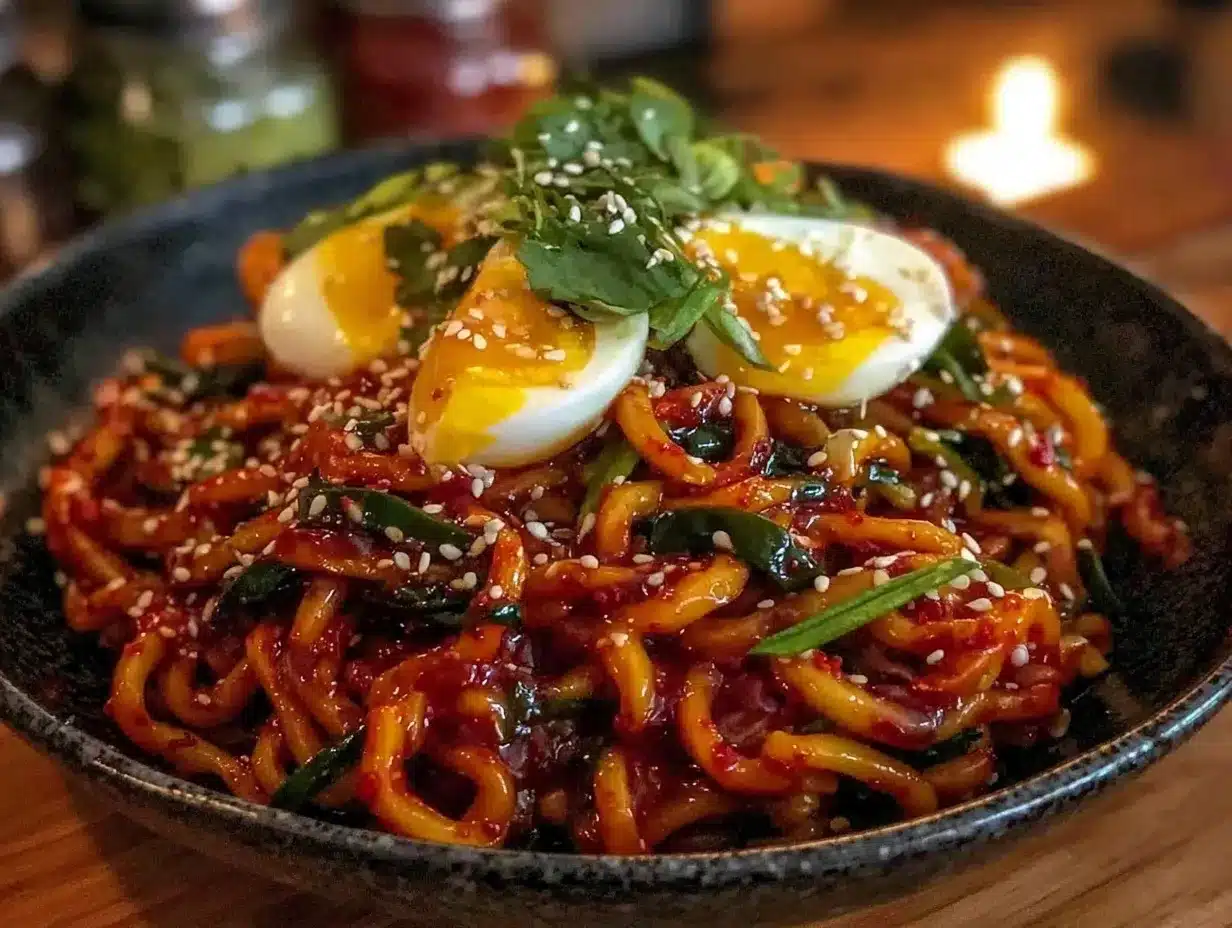
- Boil the Noodles: Bring a large pot of water to a rolling boil. Add 1 tsp salt, then add the dried noodles. Cook for 3-4 minutes or until al dente (firm to the bite). Stir occasionally to prevent sticking. Drain immediately in a colander and rinse under cold water to stop cooking. Set aside.
- Prepare the Sauce: While the noodles cook, whisk together the gochujang, soy sauce, rice vinegar, honey, minced garlic, and toasted sesame oil in a medium bowl. This sauce should be smooth and slightly thick with a glossy finish.
- Heat the Oil: In a large skillet or wok, heat the vegetable oil over medium heat until shimmering.
- Toss the Noodles: Add the drained noodles to the skillet. Pour the sauce over the noodles and toss quickly using tongs or chopsticks. The heat will slightly cook the sauce, making it cling perfectly to each strand. Toss for about 1-2 minutes until evenly coated and warmed through.
- Adjust and Garnish: Taste a strand and adjust seasoning if needed—add a pinch of soy or a drizzle of honey if you want more salt or sweetness. Remove from heat. Sprinkle the sliced scallions, toasted sesame seeds, and chili flakes (if using) on top.
- Serve Immediately: These noodles are best enjoyed fresh and warm. Scoop onto plates or bowls and enjoy the perfect balance of spicy, sweet, and savory flavors.
Pro tip: Don’t overcook the noodles—they should have a slight bite and not be mushy. Tossing the noodles over medium heat with the sauce helps the flavors meld without drying out the dish. If the sauce feels too thick, add a splash of warm water or broth to loosen it up. Trust me, these little tweaks make all the difference.
Cooking Tips & Techniques
Getting the perfect spicy gochujang noodles is about technique as much as ingredients. Here are some lessons I’ve picked up:
- Timing is everything: Cook noodles just right—overcooked noodles turn mushy and lose bite.
- Rinse noodles with cold water: This stops cooking and rinses off excess starch, preventing clumping.
- Toss noodles while hot: The residual heat helps the sauce absorb and stick better.
- Balance your sauce: Too spicy or too salty? Adjust with a touch more honey or vinegar. Always taste before serving.
- Use toasted sesame oil: It adds a nutty aroma that plain oils just can’t match.
- Don’t skimp on garnishes: The fresh scallions and sesame seeds add texture and freshness that balance the heat.
One time, I accidentally left the noodles soaking too long after draining, and they clumped into a sticky mess—lesson learned! Always toss immediately after draining. Also, give your skillet a quick wipe between batches if making for a crowd, so the sauce doesn’t burn and bitterness develops.
Variations & Adaptations
This spicy gochujang noodles recipe is super flexible and fun to customize:
- Protein Boost: Add cooked shredded chicken, tofu cubes, or sautéed shrimp for a heartier meal. I often toss in leftover grilled chicken for a quick upgrade.
- Veggie Power: Throw in blanched spinach, julienned carrots, or steamed broccoli for extra color and nutrients. In summer, fresh cucumber slices add a refreshing crunch.
- Spice Levels: Adjust the heat by adding more gochujang or chili flakes, or mellow it with a dollop of plain yogurt or a splash of coconut milk.
- Gluten-Free: Swap regular noodles for rice noodles or gluten-free pasta. Just mind the soy sauce—use tamari or coconut aminos.
- Cold Noodle Salad: Chill the noodles after tossing the sauce for a refreshing summer dish with a kick.
One variation I love is adding a soft boiled egg on top—when you break into that yolk, it adds creamy richness that balances the spicy sauce beautifully.
Serving & Storage Suggestions
Serve these spicy gochujang noodles hot, garnished with fresh scallions and sesame seeds for that perfect presentation. They pair wonderfully with simple sides like kimchi, steamed greens, or even a crunchy cucumber salad to cool down the heat.
If you’re bringing this to a potluck, pack the sauce separately and toss noodles just before serving to keep everything fresh and lively. Leftovers can be stored in an airtight container in the refrigerator for up to 2 days. When reheating, add a splash of water and toss gently in a skillet over medium heat to restore moisture and flavor.
Flavors actually deepen after resting for a few hours, so this dish tastes even better the next day—if you can wait that long! Just don’t forget the fresh scallions and sesame seeds on top when serving again.
Nutritional Information & Benefits
This recipe offers a balanced mix of carbohydrates and healthy fats, with the bonus of capsaicin from gochujang, which can boost metabolism and provide anti-inflammatory benefits. Gochujang itself is fermented, which supports gut health, and garlic adds immune-boosting properties.
Per serving (approximate): 350 calories, 7g fat, 60g carbs, 8g protein. You can easily adjust for dietary needs by swapping noodles or protein sources.
Note: Contains gluten (wheat noodles, soy sauce) and sesame—swap for gluten-free or allergen-friendly alternatives if needed.
From my wellness perspective, this dish hits the sweet spot of satisfying cravings without feeling heavy or greasy. It’s a vibrant, flavorful meal that keeps you coming back for more.
Conclusion
If you’re looking for a spicy, tangy, and comforting noodle dish that’s both quick and packed with flavor, this Flavorful Viral Spicy Gochujang Noodles recipe is your new best friend. It’s easy to make, uses simple ingredients, and has that authentic Korean kick we all crave.
Feel free to tweak the heat level, toss in your favorite veggies, or add some protein to make it your own. Personally, I love this recipe because it’s become a reliable go-to for busy nights and a crowd-pleaser every single time.
Give it a try, and don’t forget to share your twists and thoughts in the comments—I’d love to hear how you make it your own! Happy cooking and enjoy that spicy, saucy goodness.
FAQs
What type of noodles work best for spicy gochujang noodles?
Thin wheat noodles like somyeon are traditional and hold the sauce well, but thin spaghetti or even rice noodles can work if you prefer gluten-free options.
Can I make this recipe vegan?
Absolutely! Just use maple syrup or agave instead of honey and ensure your soy sauce is vegan-friendly. Add tofu or veggies for protein.
How spicy is this recipe?
The heat is moderate but can be adjusted by adding more or less gochujang or chili flakes. It’s spicy enough to satisfy but not overwhelming.
Can I prepare these noodles in advance?
You can cook noodles ahead and keep sauce separate, then toss everything just before serving to keep noodles from getting soggy.
What can I serve alongside these noodles?
Kimchi, steamed or stir-fried veggies, and light cucumber salads are great complements. A soft boiled egg on top also pairs beautifully.
Pin This Recipe!
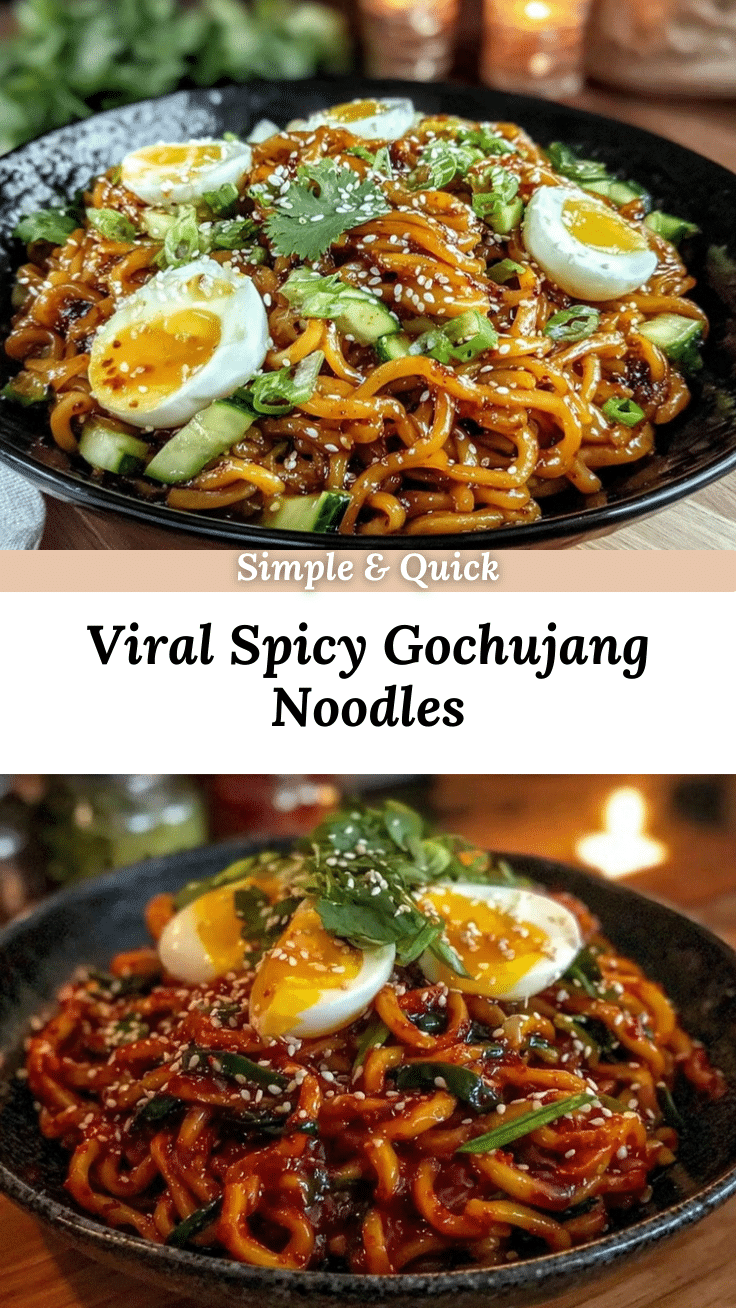
Flavorful Viral Spicy Gochujang Noodles Recipe Easy Homemade Korean Noodles
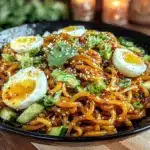
A quick and easy Korean noodle dish featuring spicy, tangy gochujang sauce with garlic and sesame oil, perfect for busy weeknights or gatherings.
- Prep Time: 10 minutes
- Cook Time: 10 minutes
- Total Time: 20 minutes
- Yield: 2 servings 1x
- Category: Main Course
- Cuisine: Korean
Ingredients
- 200g (7 oz) dried wheat noodles, like somyeon or thin spaghetti
- Water for boiling
- 1 tsp salt (for boiling water)
- 3 tbsp gochujang (Korean red chili paste)
- 1 tbsp soy sauce (low sodium preferred)
- 1 tbsp rice vinegar
- 1 tbsp honey or maple syrup
- 2 cloves garlic, minced
- 1 tsp toasted sesame oil
- 1 tbsp vegetable oil
- 2 scallions, thinly sliced
- 1 tbsp toasted sesame seeds
- Optional: 1 tsp chili flakes
Instructions
- Bring a large pot of water to a rolling boil. Add 1 tsp salt, then add the dried noodles. Cook for 3-4 minutes or until al dente. Stir occasionally to prevent sticking. Drain immediately in a colander and rinse under cold water to stop cooking. Set aside.
- While the noodles cook, whisk together the gochujang, soy sauce, rice vinegar, honey, minced garlic, and toasted sesame oil in a medium bowl until smooth and slightly thick.
- In a large skillet or wok, heat the vegetable oil over medium heat until shimmering.
- Add the drained noodles to the skillet. Pour the sauce over the noodles and toss quickly using tongs or chopsticks. Toss for about 1-2 minutes until evenly coated and warmed through.
- Taste and adjust seasoning if needed by adding a pinch of soy sauce or a drizzle of honey. Remove from heat.
- Sprinkle the sliced scallions, toasted sesame seeds, and chili flakes (if using) on top.
- Serve immediately while warm.
Notes
Do not overcook noodles; they should be al dente. Rinse noodles with cold water after boiling to stop cooking and prevent clumping. Toss noodles while hot to help sauce cling better. Adjust sauce sweetness or saltiness by adding honey or soy sauce as needed. If sauce is too thick, add a splash of warm water or broth. For gluten-free, use rice vermicelli or shirataki noodles and tamari instead of soy sauce. For vegan, substitute honey with maple syrup or agave.
Nutrition
- Serving Size: 1 bowl (approx. half
- Calories: 350
- Fat: 7
- Carbohydrates: 60
- Protein: 8
Keywords: gochujang noodles, spicy Korean noodles, easy Korean recipe, quick noodles, viral noodle recipe, Korean spicy sauce, homemade Korean noodles