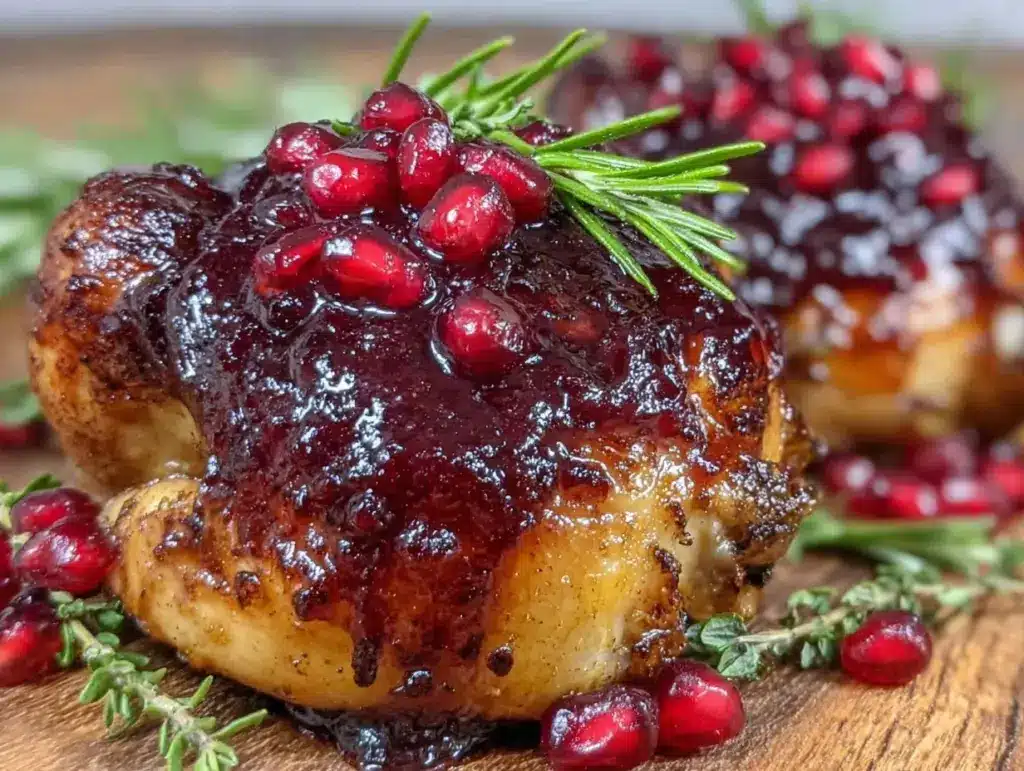
“You won’t believe how good these little birds turned out,” my friend Sarah said over the phone as I stood amidst my cluttered kitchen late on a Sunday evening. Honestly, I was just trying to whip up something special for a quiet dinner with my partner, nothing fancy. Cornish hens always seemed a bit intimidating—too small to mess up, but too delicate to ignore. Then came a spur-of-the-moment decision to glaze them with pomegranate molasses I had sitting on the shelf, leftover from a holiday experiment gone sideways. The tangy sweetness paired with the crispy skin was a total game-changer.
That first night, we barely spoke through dinner, just savored the juicy, fragrant hens with a side of roasted veggies. The pomegranate glaze wasn’t just a drizzle; it was a rich, sticky jacket that made these hens the kind of meal you want to remember. Since then, I’ve made the perfect pomegranate glazed Cornish hens for two more times than I can count—sometimes when I need a reset after a long day, sometimes just because I feel like impressing myself a little. And you know what? It’s become our go-to for those evenings when takeout feels too lazy but cooking a full roast is too much fuss.
It’s funny how a simple, unplanned tweak can turn a humble dish into a quiet celebration. This recipe stuck with me because it’s not just about the flavors or the look—it’s about a cozy, intimate dinner that feels like a tiny luxury without any stress. If you’re craving that kind of meal, this recipe might just be the one you didn’t know you needed.
Why You’ll Love This Recipe
After multiple kitchen trials and finger-licking sessions, here’s why the perfect pomegranate glazed Cornish hens for two is a winner in my cookbook:
- Quick & Easy: Ready in about 45 minutes, this recipe fits perfectly into a busy weeknight or a spontaneous date night.
- Simple Ingredients: No obscure items required—most are pantry staples or easily found at your local grocery store.
- Perfect for Intimate Dinners: Sized just right for two, making it ideal for cozy meals without leftovers haunting your fridge.
- Crowd-Pleaser: The sweet and tangy pomegranate glaze makes even the pickiest eaters ask for seconds.
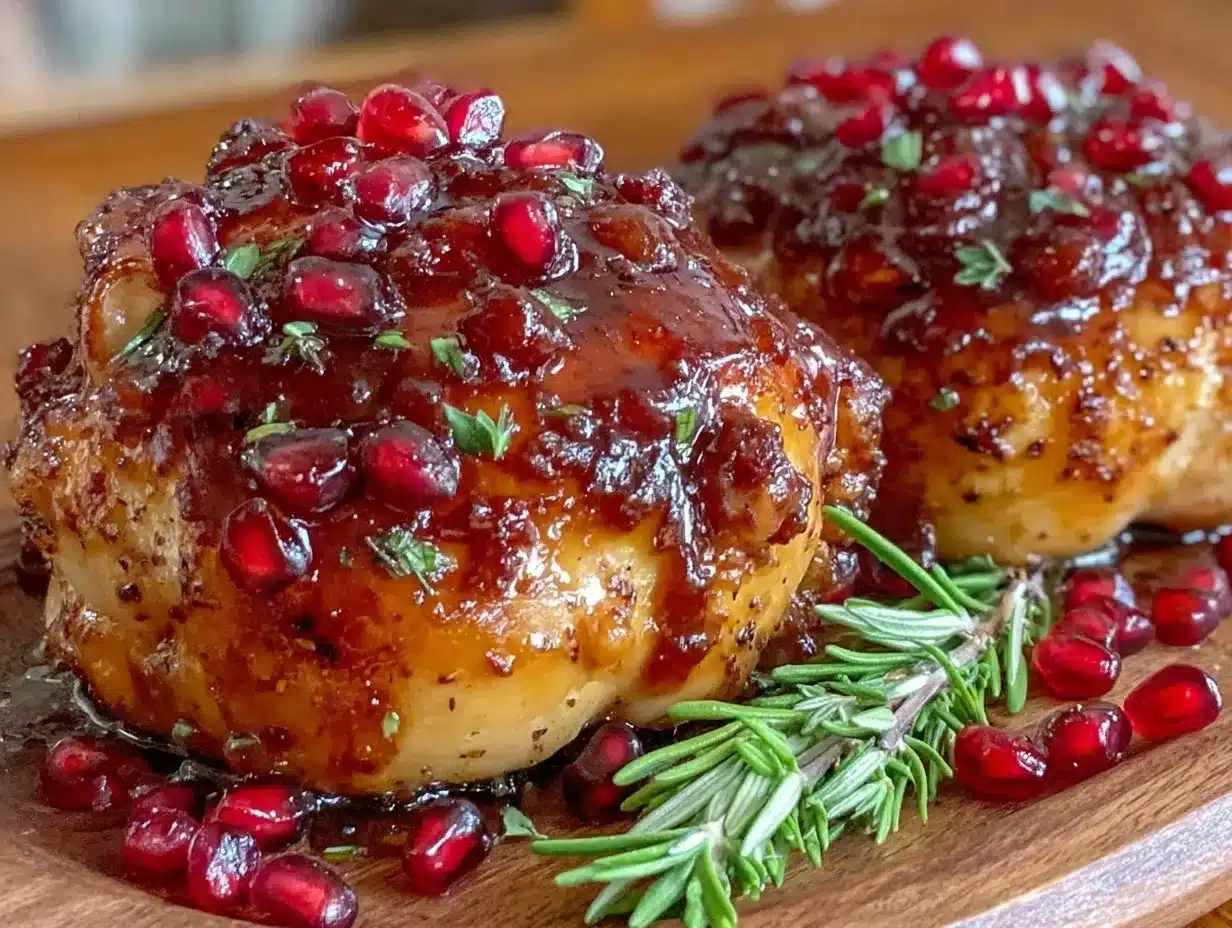
- Unbelievably Delicious: Crispy skin meets juicy, tender meat, finished with a glossy, flavorful pomegranate coating.
What sets this recipe apart is the layering of that pomegranate glaze. Instead of a simple marinade, you’re building flavor by glazing multiple times during roasting, which gives the hens a beautiful, caramelized finish. It’s a technique I first experimented with after making sheet pan pork tenderloin with apple cider glaze—and it stuck.
Honestly, this isn’t just another roasted bird recipe. It’s the kind of dish that makes you pause, savor, and think about the small joys in cooking for yourself or a loved one. That shiny, ruby glaze is like a little promise of comfort and flavor, all baked into one.
What Ingredients You Will Need
This recipe keeps things straightforward with wholesome ingredients that bring bold flavor and a lovely texture contrast. Plus, many of these are likely chilling in your pantry or fridge right now.
- For the Cornish Hens:
- 2 Cornish hens (about 1 to 1.25 pounds / 450 to 570 grams each), thawed if frozen
- 1 tablespoon olive oil (for crisping the skin)
- Salt and freshly ground black pepper (to taste)
- 1 teaspoon smoked paprika (adds a subtle warmth)
- Fresh thyme sprigs (optional, for aromatics)
- For the Pomegranate Glaze:
- ½ cup pomegranate molasses (the star ingredient; tart and sweet)
- 2 tablespoons honey (use a mild-flavored honey for balance)
- 2 teaspoons Dijon mustard (adds a nice tang and depth)
- 1 garlic clove, minced (for savory contrast)
- Juice of half a lemon (freshly squeezed)
- Pinch of crushed red pepper flakes (optional, for a little kick)
- For Serving (Optional):
- Fresh pomegranate seeds (for garnish and pop of color)
- Chopped fresh parsley or cilantro
- Roasted or steamed seasonal vegetables or a simple salad
When selecting your hens, I recommend picking ones that feel firm and fresh. If you can find organic or pasture-raised, even better. For the pomegranate molasses, brands like Cortas or Al Wadi are reliable for consistent, rich flavor. If you don’t have pomegranate molasses, making your own by reducing pomegranate juice with a bit of sugar can work, but the convenience of a good bottle can’t be beat.
Substitutions? You can swap honey with maple syrup for a slightly different sweetness profile, or use Dijon mustard alternatives depending on your pantry. If you want to keep it mild, leave out the red pepper flakes.
Equipment Needed
Here’s what I use every time I make this pomegranate glazed Cornish hens recipe, along with some handy alternatives:
- Roasting pan or oven-safe skillet: A small roasting pan fits two hens perfectly. If you don’t have one, a heavy cast iron skillet works great for even heat and crisping the skin.
- Basting brush: Essential for glazing the hens evenly during cooking. If you don’t have one, a spoon can work, but the brush makes it easier to coat without losing glaze.
- Meat thermometer: Not mandatory but a lifesaver to avoid overcooking. The hens should reach 165°F (74°C) internally.
- Mixing bowl: For whisking together the glaze ingredients.
- Sharp knife and cutting board: To trim any excess fat or wing tips if desired.
I’ve tried roasting these hens in everything from disposable foil pans (great for easy cleanup) to my favorite stainless steel pan. The key is even heat distribution and enough space for air to circulate around the birds so the skin crisps beautifully. Also, keeping your basting brush clean and dry between coats helps maintain a nice glaze texture.
Preparation Method
- Preheat your oven to 425°F (220°C). This high heat will give you that crispy skin we’re after. While the oven warms, pat the hens dry with paper towels. Dry skin is the secret weapon for crispiness.
- Prepare the hens: Rub each hen all over with olive oil, then season generously inside and out with salt, pepper, and smoked paprika. If you have fresh thyme, tuck a couple of sprigs inside the cavity for an aromatic touch.
- Make the pomegranate glaze: In a small bowl, whisk together pomegranate molasses, honey, Dijon mustard, minced garlic, lemon juice, and red pepper flakes (if using). Taste it—you want a nice balance of sweet, tart, and a little savory punch.
- Place the hens breast side up in your roasting pan or skillet. Pop them into the oven and roast for 20 minutes undisturbed. This initial high heat jump-starts the crisping.
- After 20 minutes, remove the hens briefly and baste them with half the glaze. Use your basting brush to get every nook and cranny covered. Return to the oven for another 10 minutes.
- Baste the hens again with the remaining glaze. Roast for a final 10-15 minutes, or until the internal temperature hits 165°F (74°C) at the thickest part of the thigh. The glaze should be shiny and slightly caramelized.
- Rest the hens for 5-10 minutes before serving. This step is crucial—letting the juices redistribute keeps the meat juicy and tender.
If you notice the glaze starting to burn or darken too fast, tent the hens loosely with foil. Also, if you want extra crispy skin, you can finish them for 2-3 minutes under the broiler, just watch closely!
From experience, these timing guidelines work well but ovens vary. I always trust the thermometer over the clock. And honestly, the smell wafting through the kitchen while these hens roast is half the fun—like a cozy dinner party in your own home.
Cooking Tips & Techniques
Roasting Cornish hens with a sticky glaze can be a bit tricky if it’s your first time, but here are some tips I’ve picked up along the way:
- Don’t skip drying the skin: Moisture is the enemy of crispiness, so pat those hens dry thoroughly before oiling and seasoning.
- Use a high roasting temperature: This helps render the fat under the skin quickly and crisps it up beautifully without drying the meat.
- Apply glaze in stages: Basting multiple times creates layers of flavor and a visually stunning finish. Just don’t slather it on too thickly at once or it might burn.
- Keep an eye on the glaze: If you see it getting too dark too soon, lower the oven temp slightly or cover with foil.
- Rest the meat: I can’t stress this enough. Cutting into those hens right from the oven means losing delicious juices.
One mistake I made the first time was thinking the glaze would stay runny—that’s not how molasses-based glazes behave at high heat. They thicken and stick, so brush on thin layers. Also, prepping the glaze ahead of time helps streamline the process when you’re juggling kitchen chaos.
If multitasking during dinner prep, toss a quick side salad or roast some green beans while the hens cook. For inspiration on quick, healthy sides, you might like my fresh lemon herb orzo salad or crispy cauliflower fried rice with shrimp.
Variations & Adaptations
Everyone’s kitchen and taste buds are different, so here are a few ways to switch things up with this recipe:
- Spice it up: Add a pinch of ground cinnamon or cumin to the glaze for a warm, Middle Eastern twist.
- Swap the glaze: Use a balsamic reduction or a honey-soy glaze if you want a different flavor profile but the same sticky finish.
- Make it gluten-free: This recipe is naturally gluten-free, but double-check your pomegranate molasses label to be safe.
- Change the protein: These glazing techniques work well on small chickens or even duck breasts if you’re feeling adventurous.
- Seasonal sides: In colder months, pair with roasted root vegetables; in summer, bright salads or grilled asparagus are perfect.
Personally, I once tried brushing on a bit of maple syrup instead of honey during a fall dinner, and it gave a lovely caramel note that paired beautifully with the pomegranate’s tartness. Feel free to experiment! The key is balancing the sweet-tart glaze with savory, well-seasoned meat.
Serving & Storage Suggestions
Serving these hens just out of the oven, warm and glossy, is an absolute treat. I like to garnish with fresh pomegranate seeds and chopped herbs for a pop of color and freshness. A simple side of roasted veggies or a light salad keeps the meal balanced without stealing the spotlight.
If you want to prep ahead, the hens can be cooked fully, cooled, then stored in an airtight container in the refrigerator for up to 3 days. Reheat gently in the oven at 350°F (175°C) covered with foil to avoid drying out. The glaze might lose some shine but the flavor stays fantastic.
For longer storage, freeze cooked hens wrapped tightly in foil and placed in a freezer bag. Thaw overnight in the fridge before reheating.
I find flavors deepen slightly the next day, making leftovers just as delicious—if not more so. To keep things fresh, serve with a squeeze of lemon or a sprinkle of fresh herbs as you reheat.
Nutritional Information & Benefits
Each Cornish hen portion (about 1/2 hen) delivers roughly:
| Nutrient | Amount |
|---|---|
| Calories | 350-400 kcal |
| Protein | 40-45 grams |
| Fat | 15-20 grams |
| Carbohydrates | 8-10 grams (mostly from glaze) |
| Fiber | 0-1 grams |
Cornish hens are a great source of lean protein, while pomegranate molasses adds antioxidants and vitamins from the fruit’s natural compounds. The honey and lemon contribute natural sugars and vitamin C, adding to the overall nutrient profile.
This recipe is naturally gluten-free and can suit low-carb diets if you go light on the glaze or serve with non-starchy sides. Just watch for honey if you’re managing sugar intake.
Personally, I appreciate this dish as a wholesome, satisfying meal that balances indulgence with nutrition—comfort with a mindful approach.
Conclusion
Making the perfect pomegranate glazed Cornish hens for two isn’t just about cooking a meal; it’s about creating a little moment of joy in your day. Whether you’re celebrating quietly or just craving a break from routine, these hens deliver flavor and flair without fuss.
Feel free to tweak the glaze, swap your sides, or add a sprinkle of your favorite spice—this recipe welcomes your personal touch. It’s the kind of dish that grows on you, inviting you back to that cozy kitchen feeling night after night.
So, grab those Cornish hens, pull out the pomegranate molasses, and give this recipe a try. I’m confident it’ll become one of your favorites, too. And hey, if you make it, I’d love to hear how you put your spin on it!
Frequently Asked Questions
- Can I make this recipe for more than two people? Absolutely! Just scale the ingredients and use a larger roasting pan. Cooking times may increase slightly depending on oven space.
- What if I don’t have pomegranate molasses? You can reduce pomegranate juice with a bit of sugar over low heat until thickened, or substitute with a balsamic glaze for a different but delicious twist.
- How do I know when the hens are fully cooked? The best way is to use a meat thermometer. The internal temperature should read 165°F (74°C) in the thickest part of the thigh.
- Can I prepare the glaze ahead of time? Yes! The glaze can be made up to 2 days in advance and stored in the refrigerator. Just bring it to room temperature before using.
- What sides pair well with these pomegranate glazed hens? Roasted vegetables, fresh salads, or simple grains like orzo or quinoa work wonderfully. For inspiration, check out my fresh lemon herb orzo salad recipe.
Pin This Recipe!
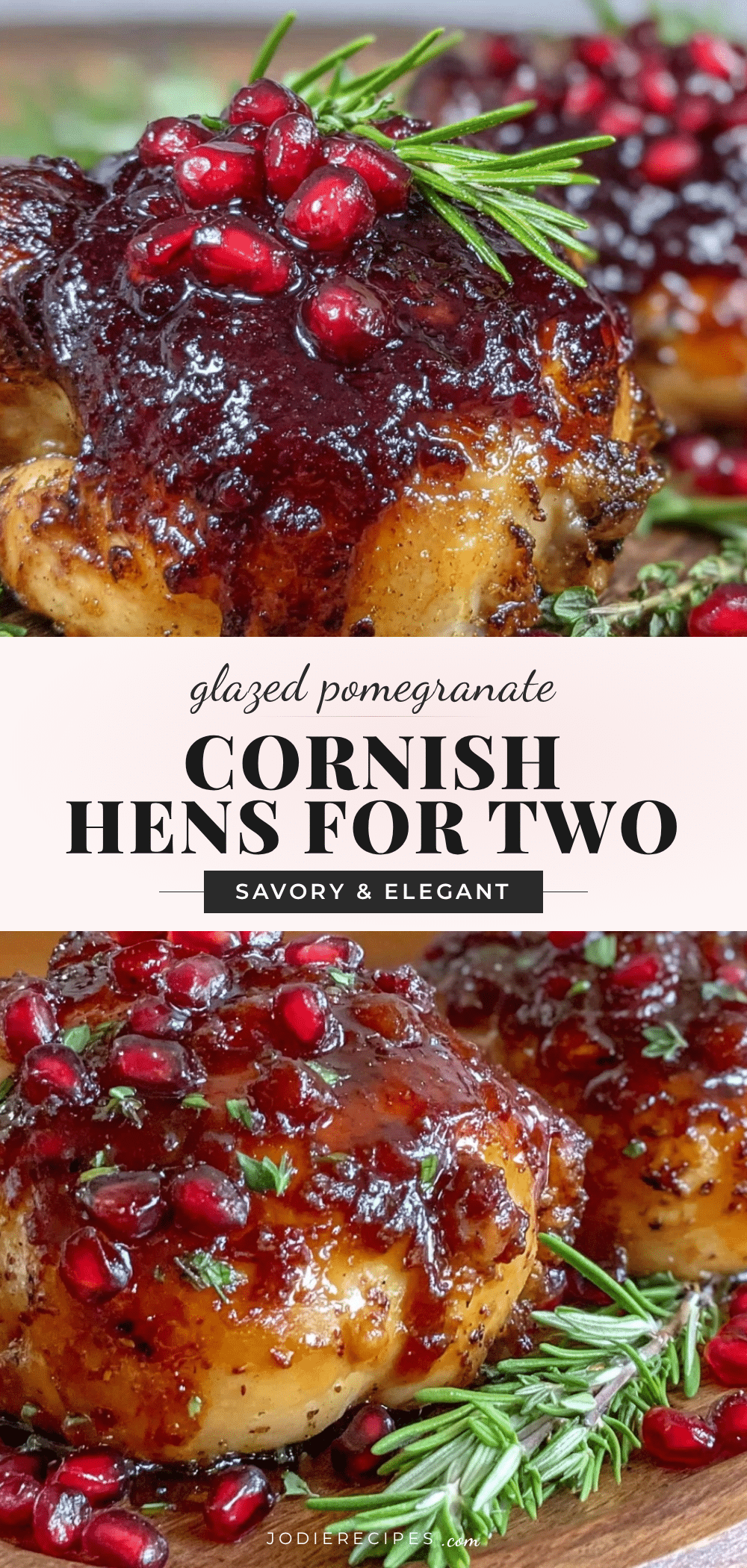
Perfect Pomegranate Glazed Cornish Hens for Two
A quick and easy recipe featuring Cornish hens glazed with a tangy and sweet pomegranate molasses glaze, perfect for an intimate dinner for two.
- Prep Time: 10 minutes
- Cook Time: 35 minutes
- Total Time: 45 minutes
- Yield: 2 servings 1x
- Category: Main Course
- Cuisine: American
Ingredients
- 2 Cornish hens (about 1 to 1.25 pounds / 450 to 570 grams each), thawed if frozen
- 1 tablespoon olive oil
- Salt and freshly ground black pepper, to taste
- 1 teaspoon smoked paprika
- Fresh thyme sprigs (optional)
- ½ cup pomegranate molasses
- 2 tablespoons honey
- 2 teaspoons Dijon mustard
- 1 garlic clove, minced
- Juice of half a lemon
- Pinch of crushed red pepper flakes (optional)
- Fresh pomegranate seeds (optional, for garnish)
- Chopped fresh parsley or cilantro (optional)
- Roasted or steamed seasonal vegetables or a simple salad (optional)
Instructions
- Preheat your oven to 425°F (220°C). Pat the hens dry with paper towels.
- Rub each hen all over with olive oil, then season inside and out with salt, pepper, and smoked paprika. Tuck fresh thyme sprigs inside the cavity if using.
- In a small bowl, whisk together pomegranate molasses, honey, Dijon mustard, minced garlic, lemon juice, and red pepper flakes if using.
- Place the hens breast side up in a roasting pan or oven-safe skillet. Roast for 20 minutes undisturbed.
- Remove the hens briefly and baste them with half the glaze. Return to the oven and roast for another 10 minutes.
- Baste the hens again with the remaining glaze. Roast for a final 10-15 minutes, or until the internal temperature reaches 165°F (74°C) at the thickest part of the thigh and the glaze is shiny and caramelized.
- Rest the hens for 5-10 minutes before serving.
- Optional: If glaze starts to burn, tent hens with foil. For extra crispy skin, broil for 2-3 minutes watching closely.
Notes
Patting the hens dry before seasoning is key for crispy skin. Apply glaze in thin layers to avoid burning. Rest hens after roasting to keep meat juicy. Use a meat thermometer to ensure proper doneness. If glaze darkens too quickly, tent with foil or reduce oven temperature slightly.
Nutrition
- Serving Size: About 1/2 Cornish he
- Calories: 350400
- Fat: 1520
- Carbohydrates: 810
- Fiber: 1
- Protein: 4045
Keywords: Cornish hens, pomegranate glaze, easy dinner, intimate meal, roasted poultry, quick recipe, pomegranate molasses